Hickory wood is renowned for its exceptional strength, durability, and distinctive appearance, making it a popular choice for a wide range of woodworking projects. Here's a detailed description of its characteristics and features:
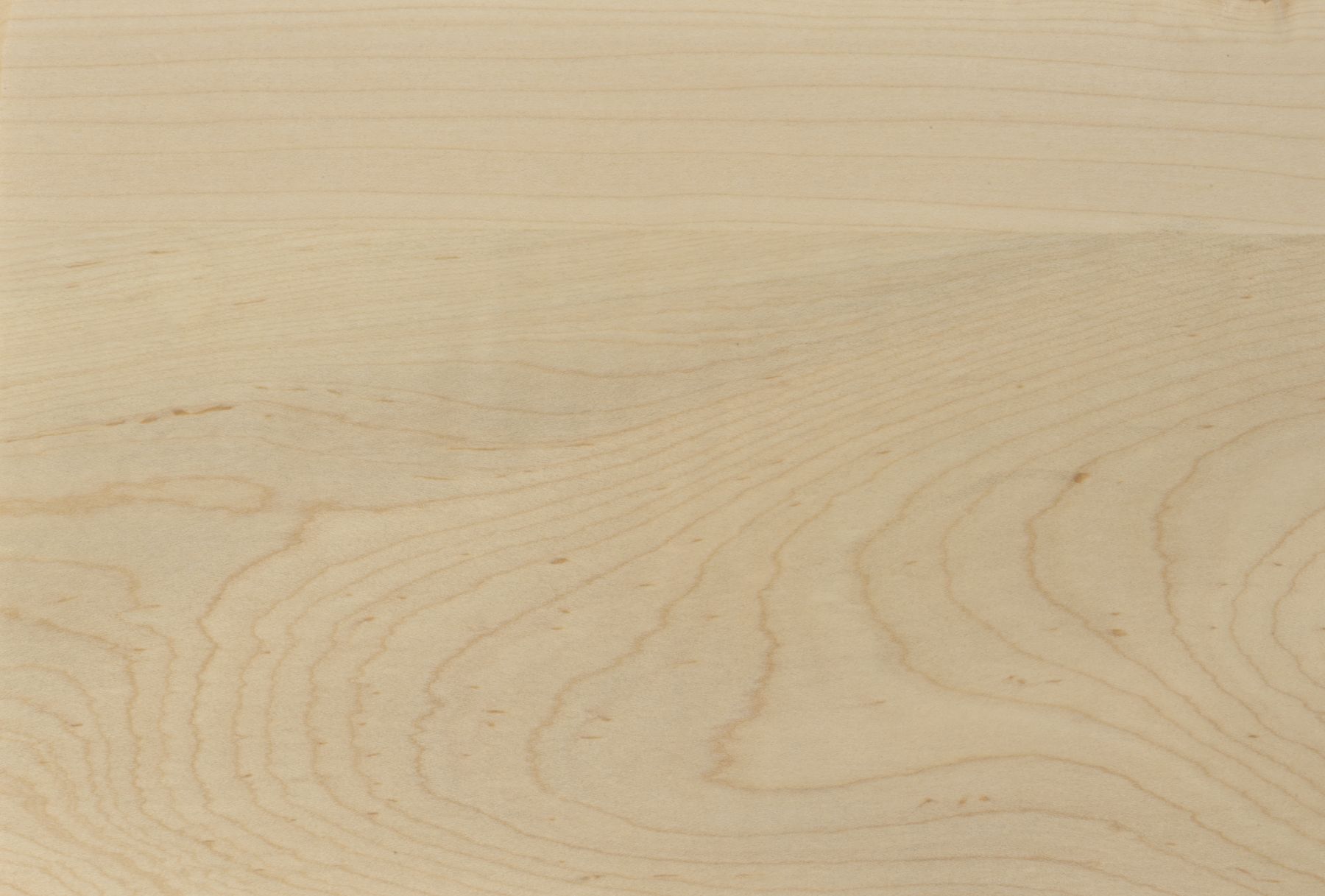
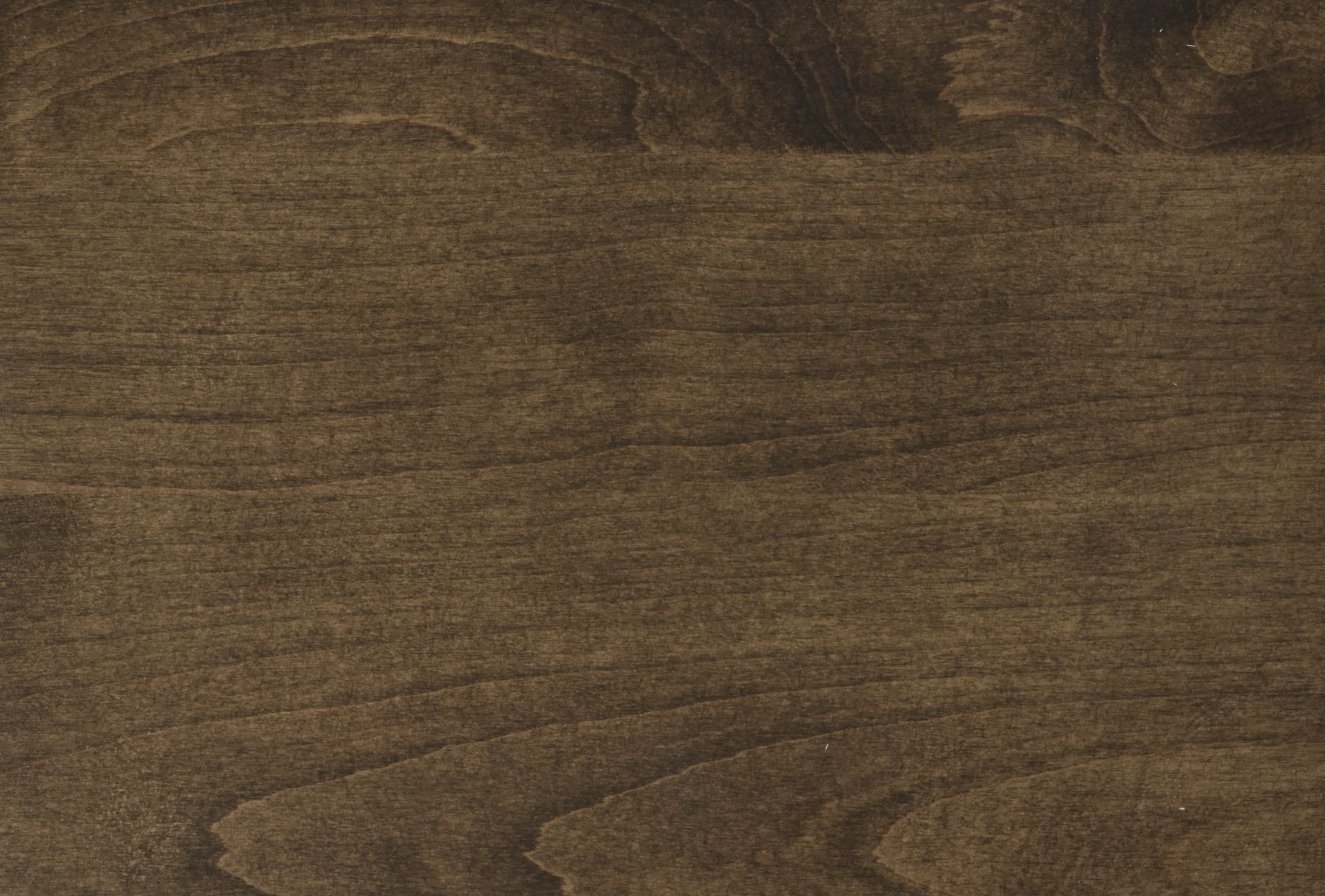
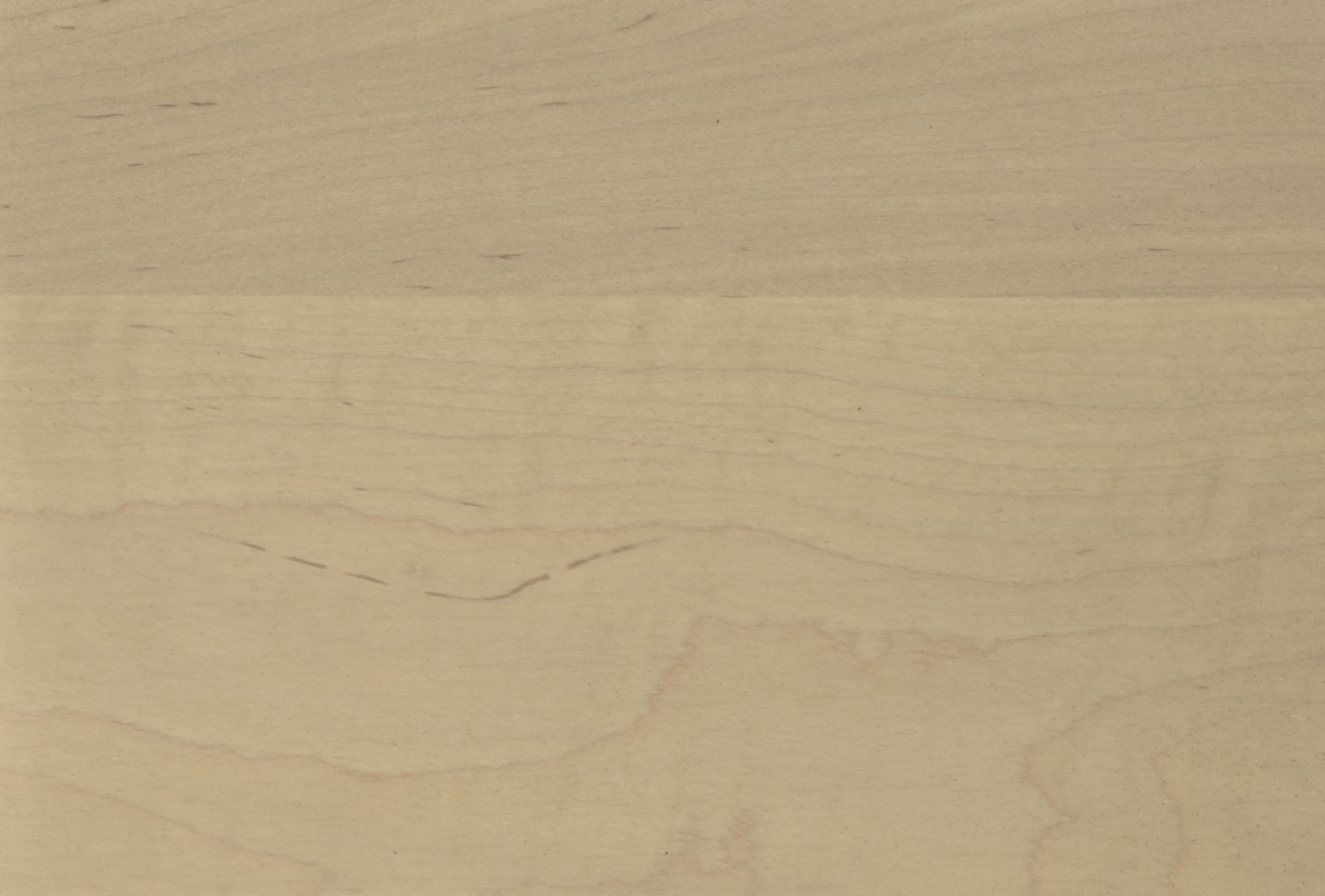
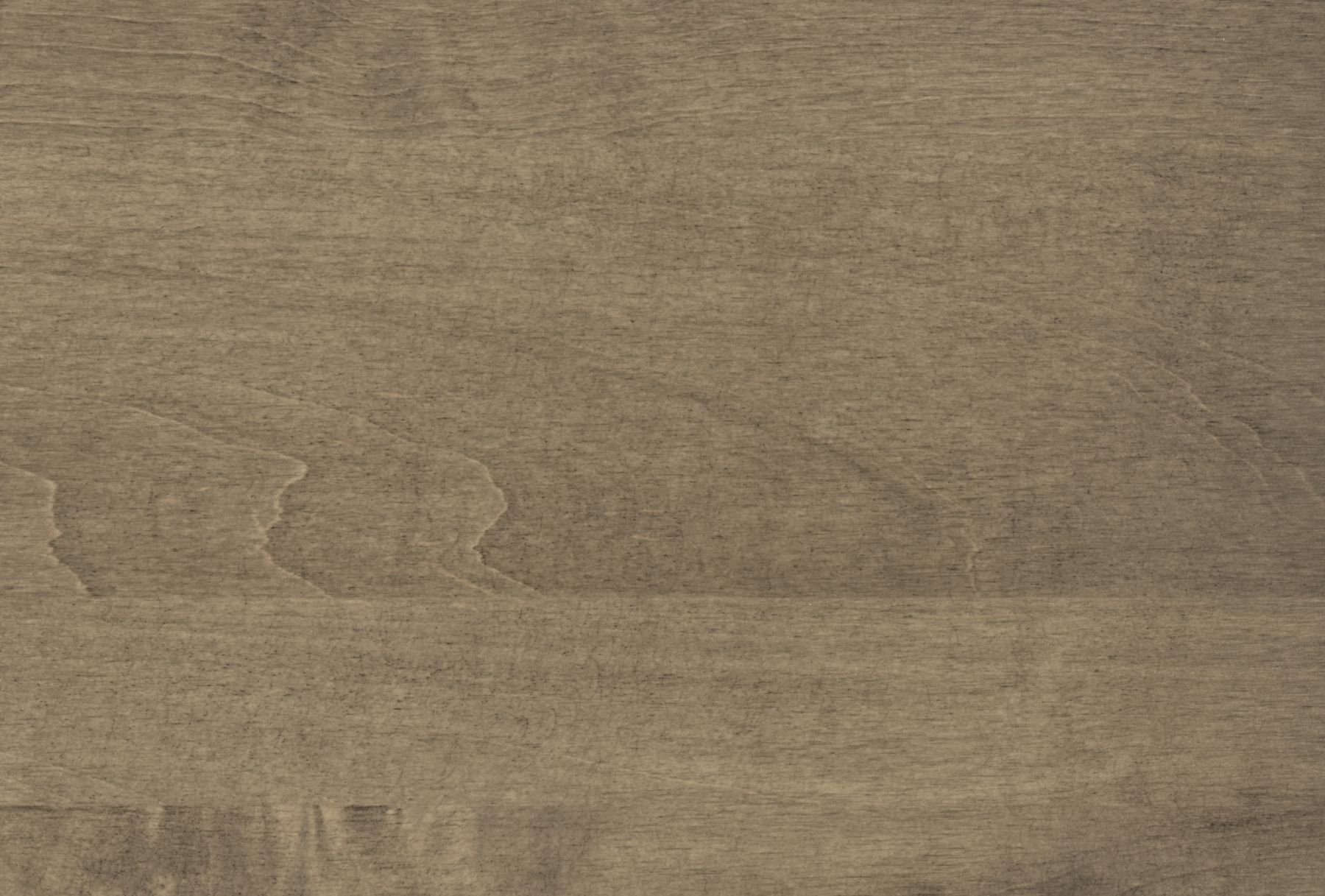
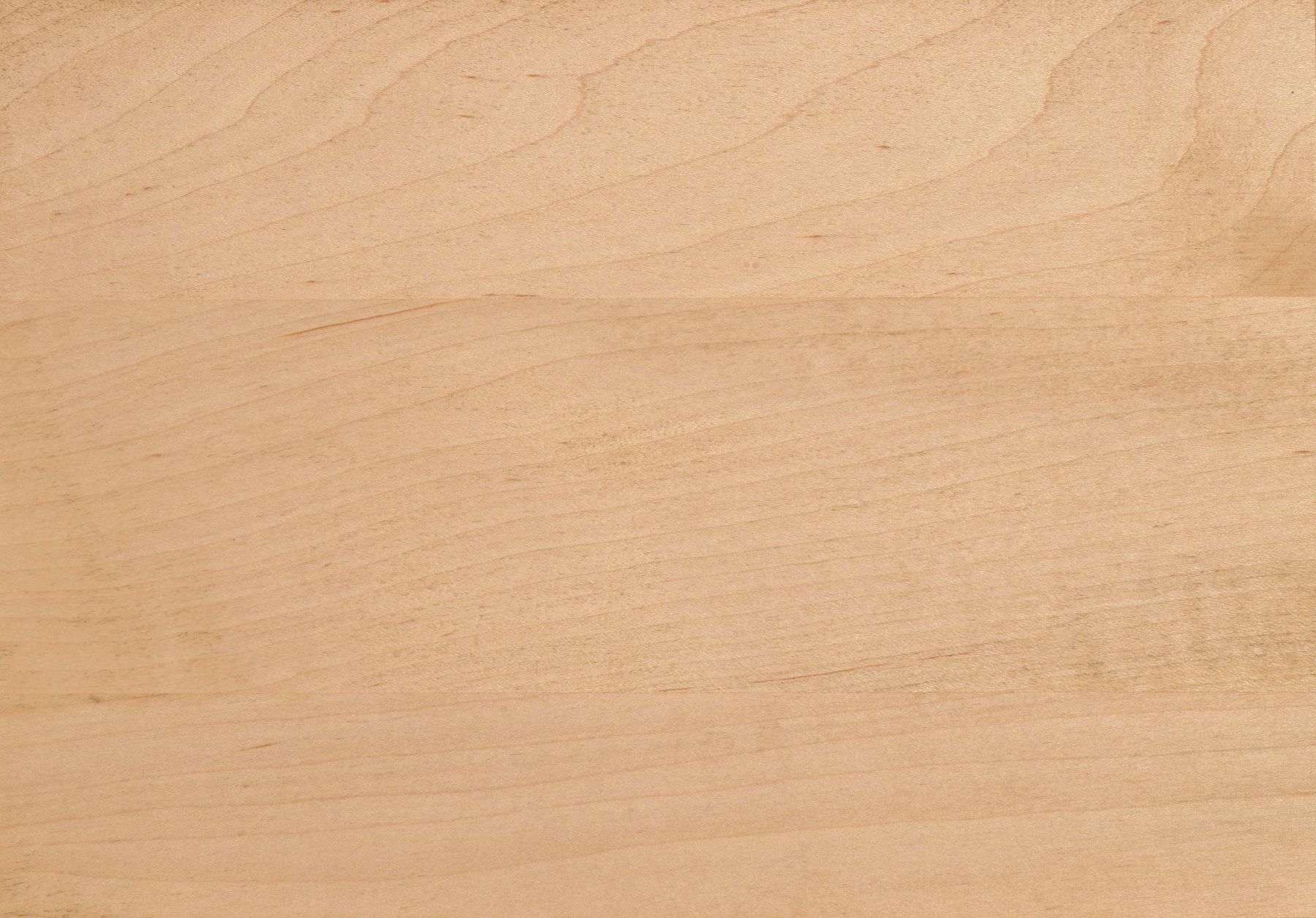
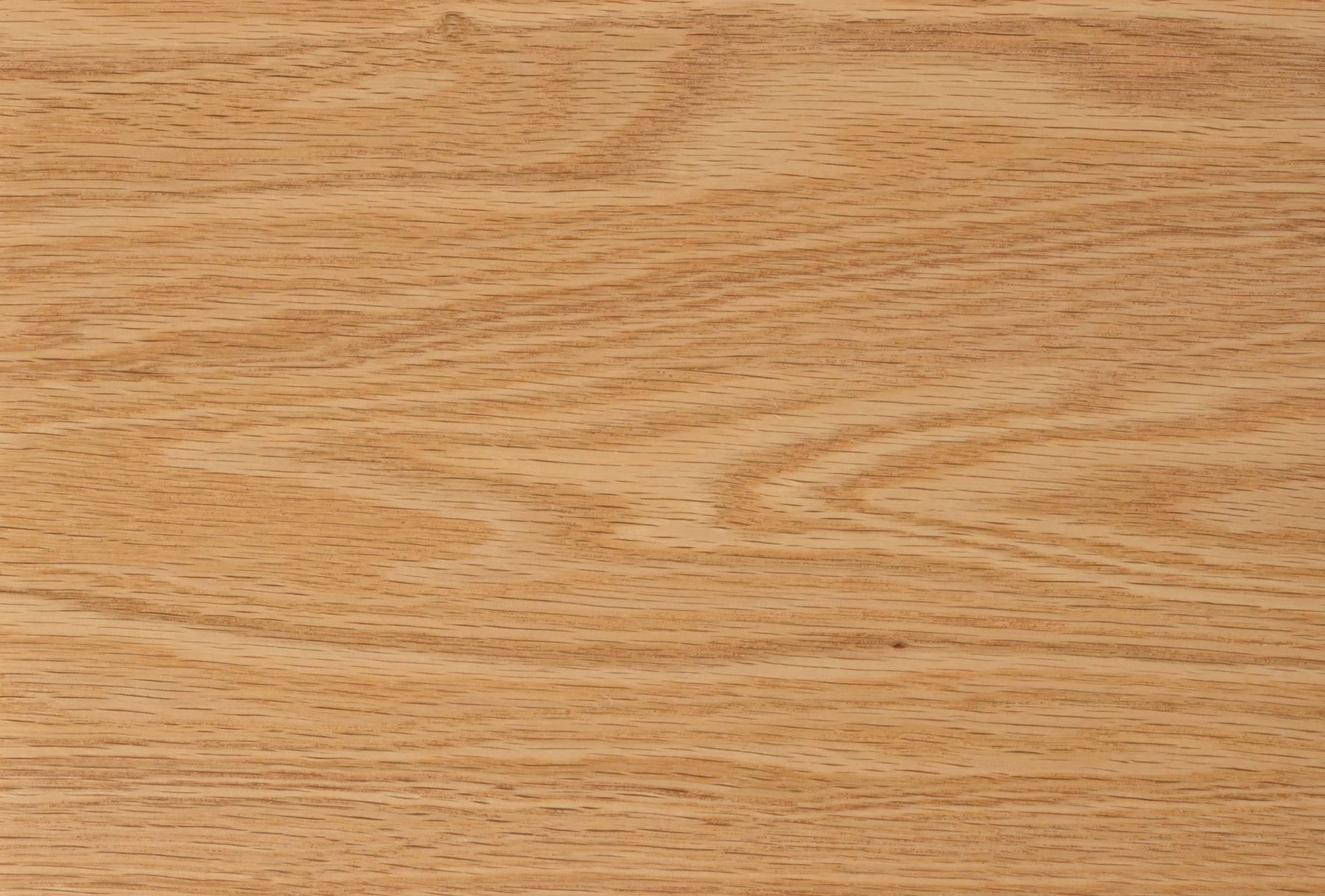
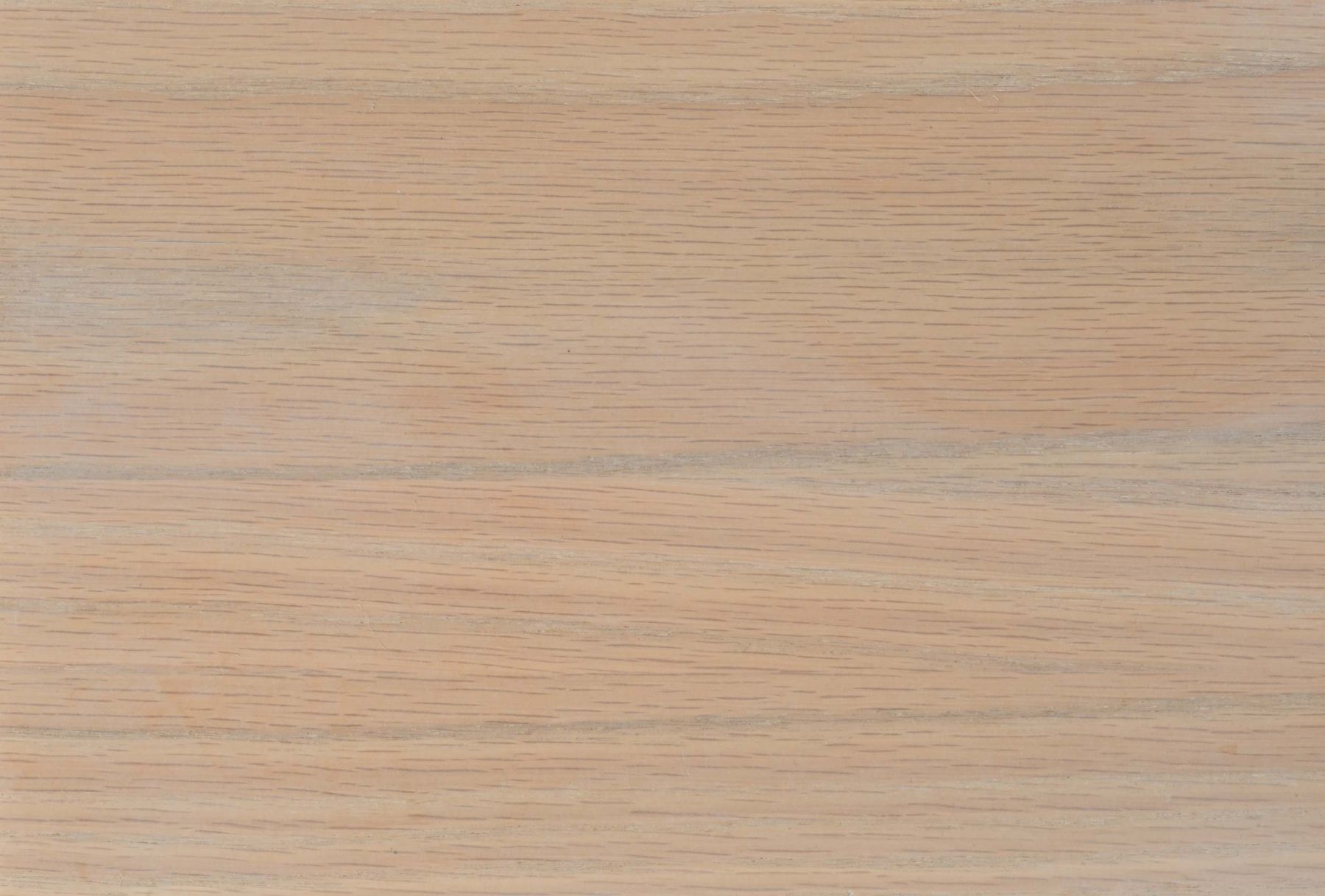
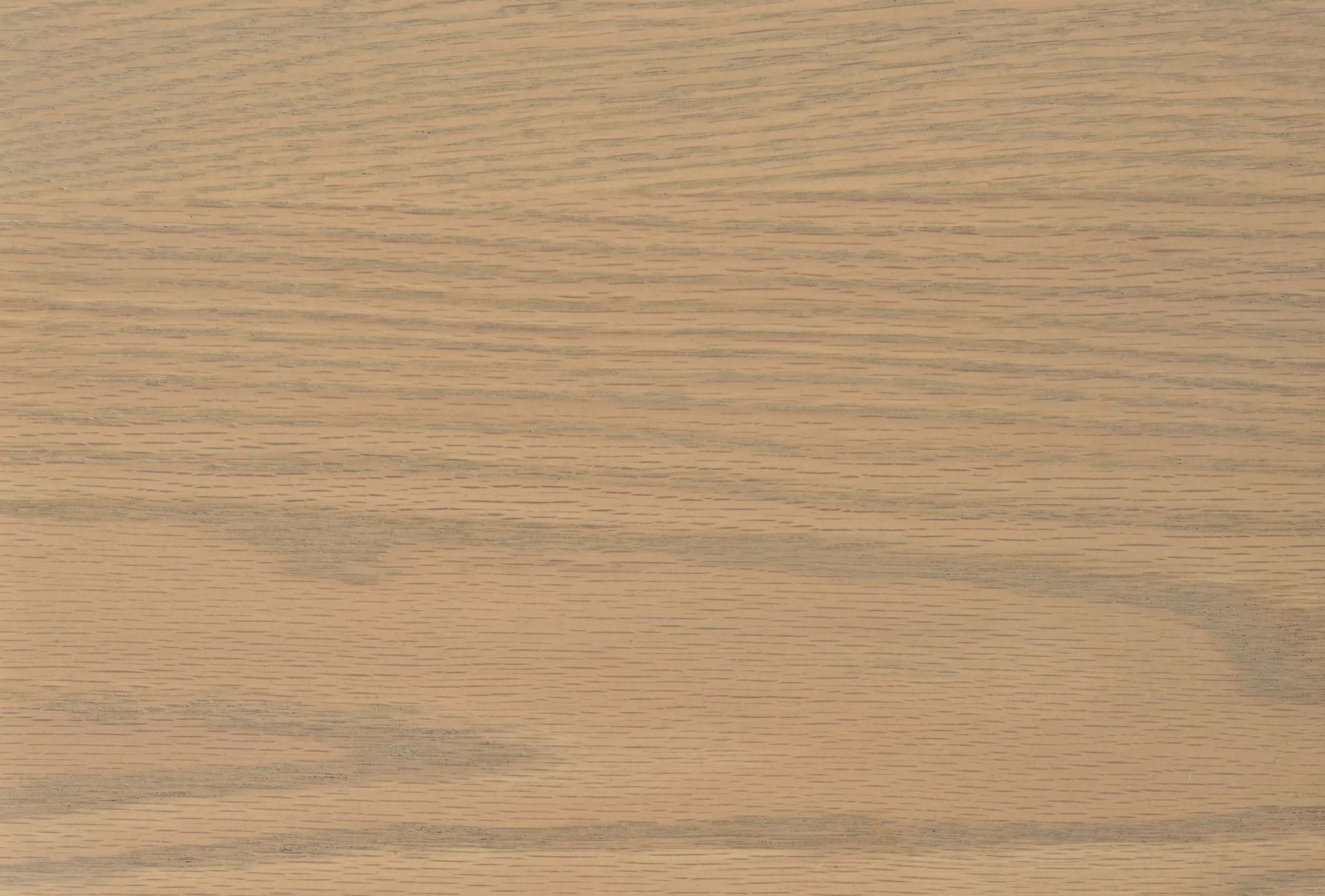
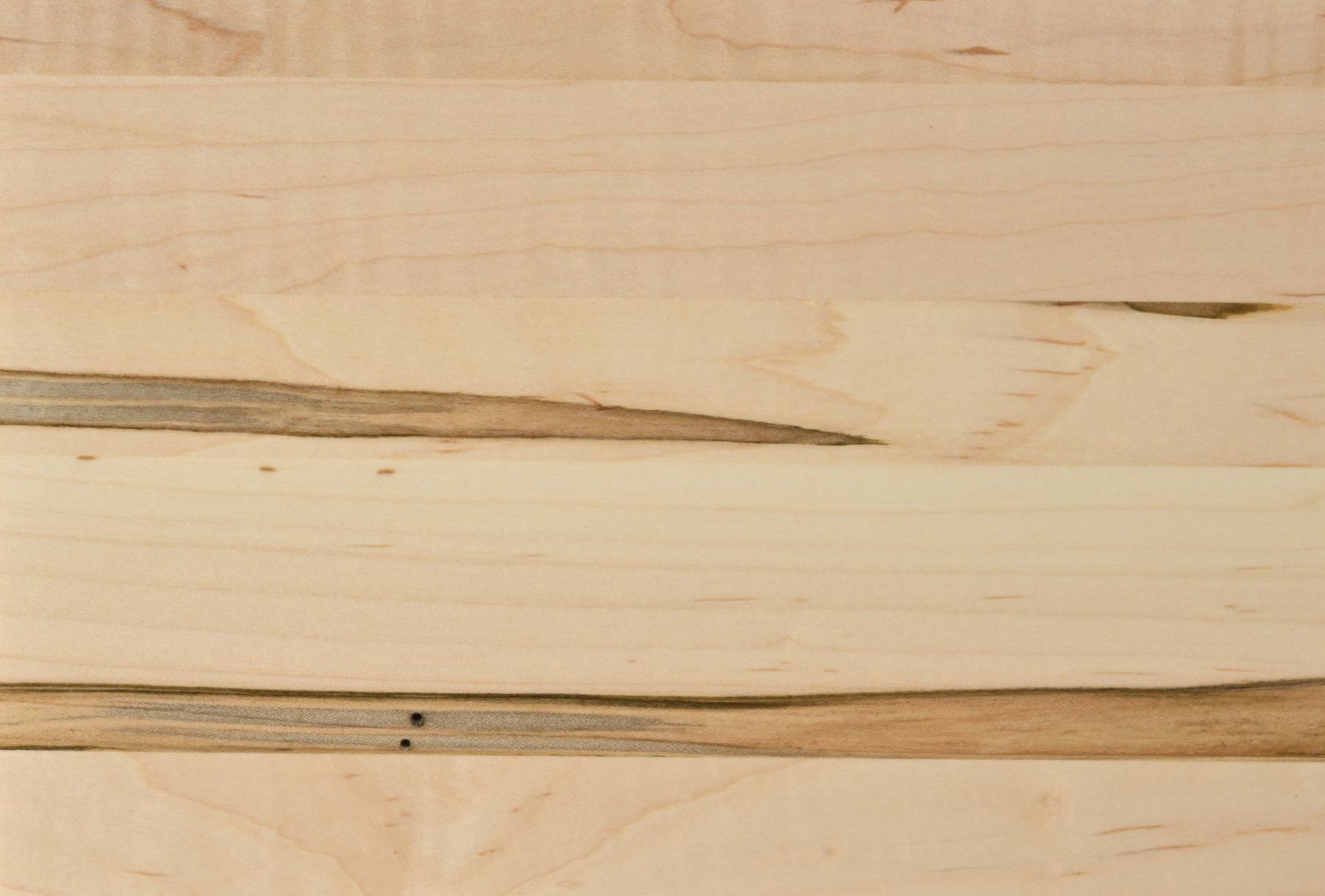
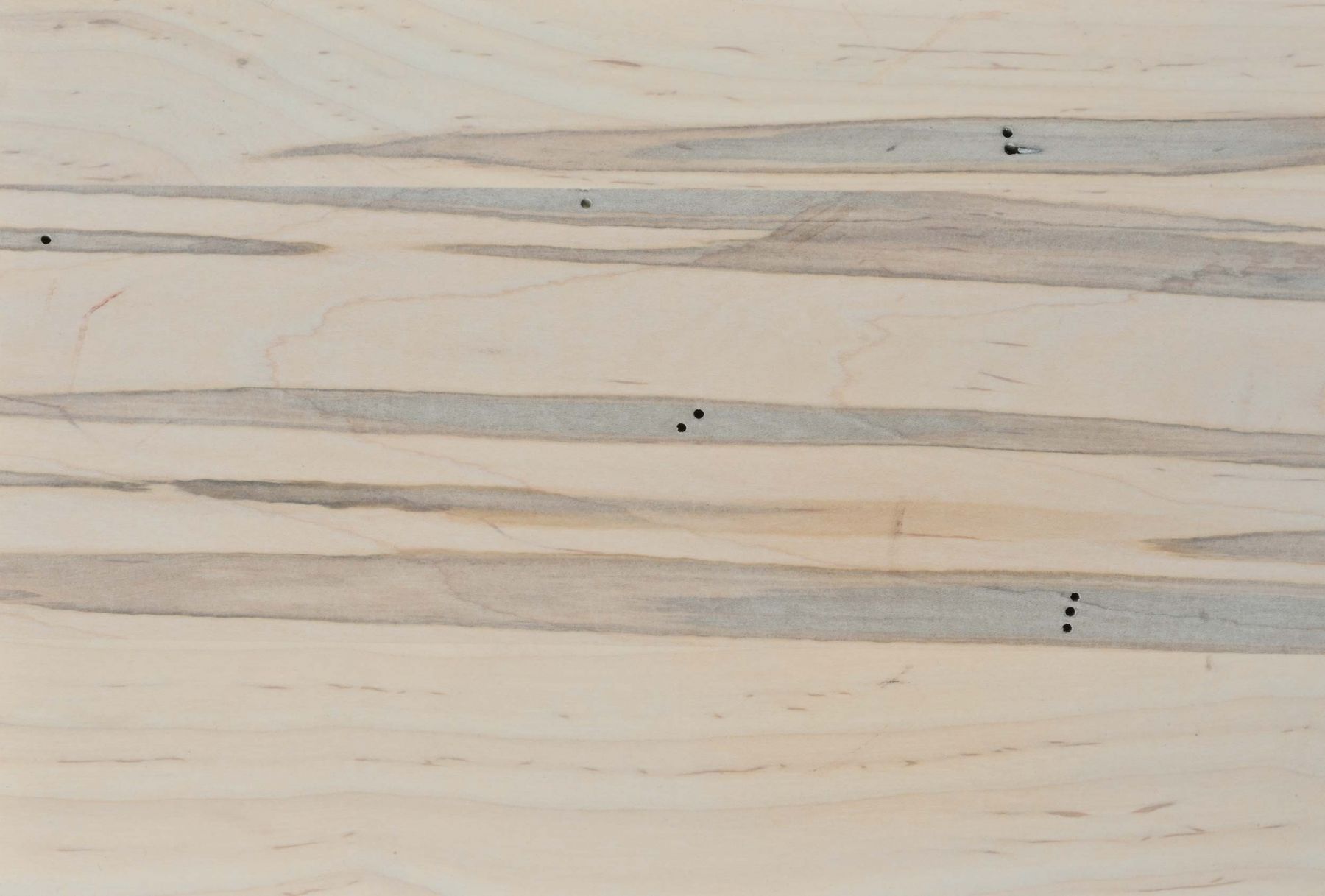
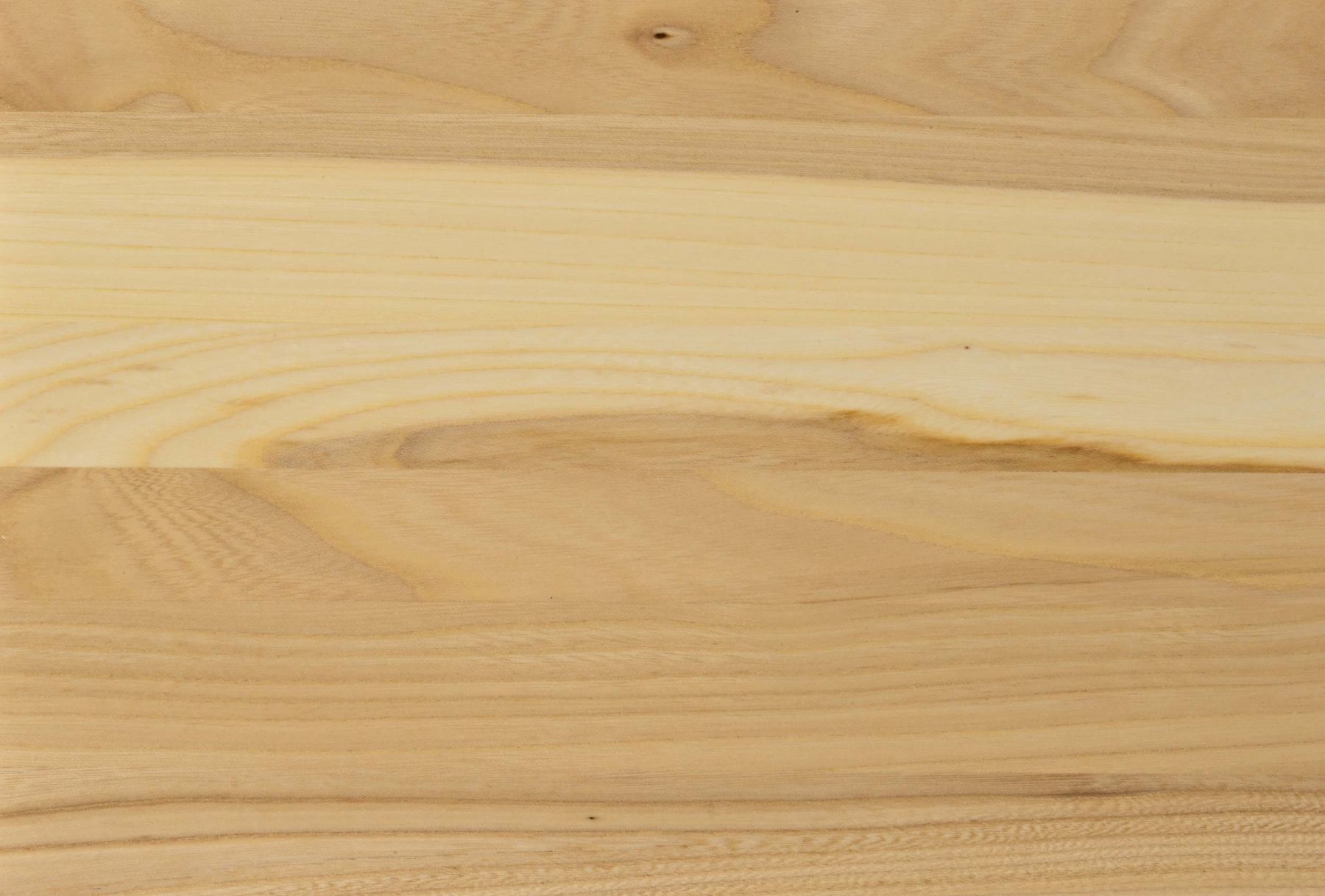
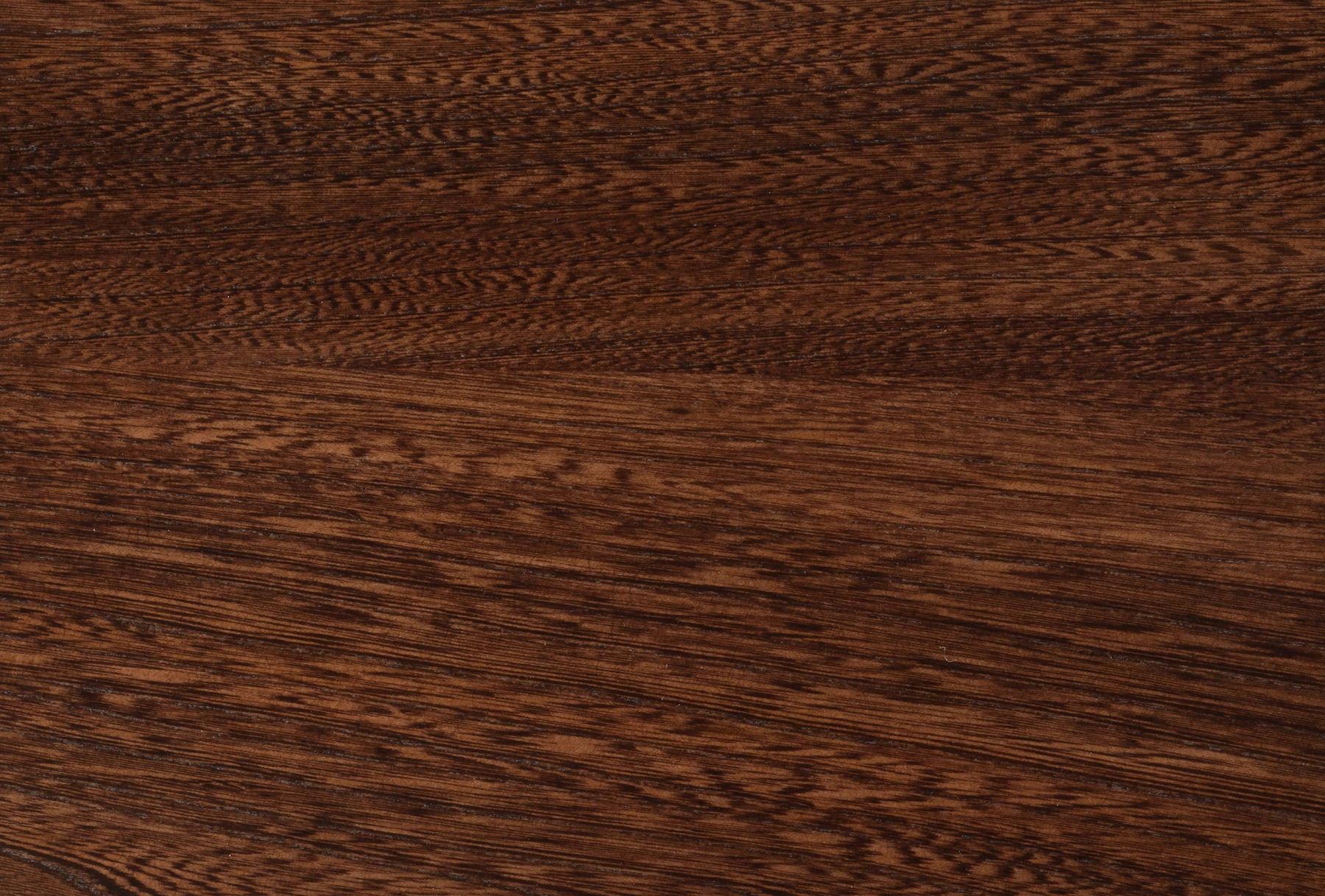
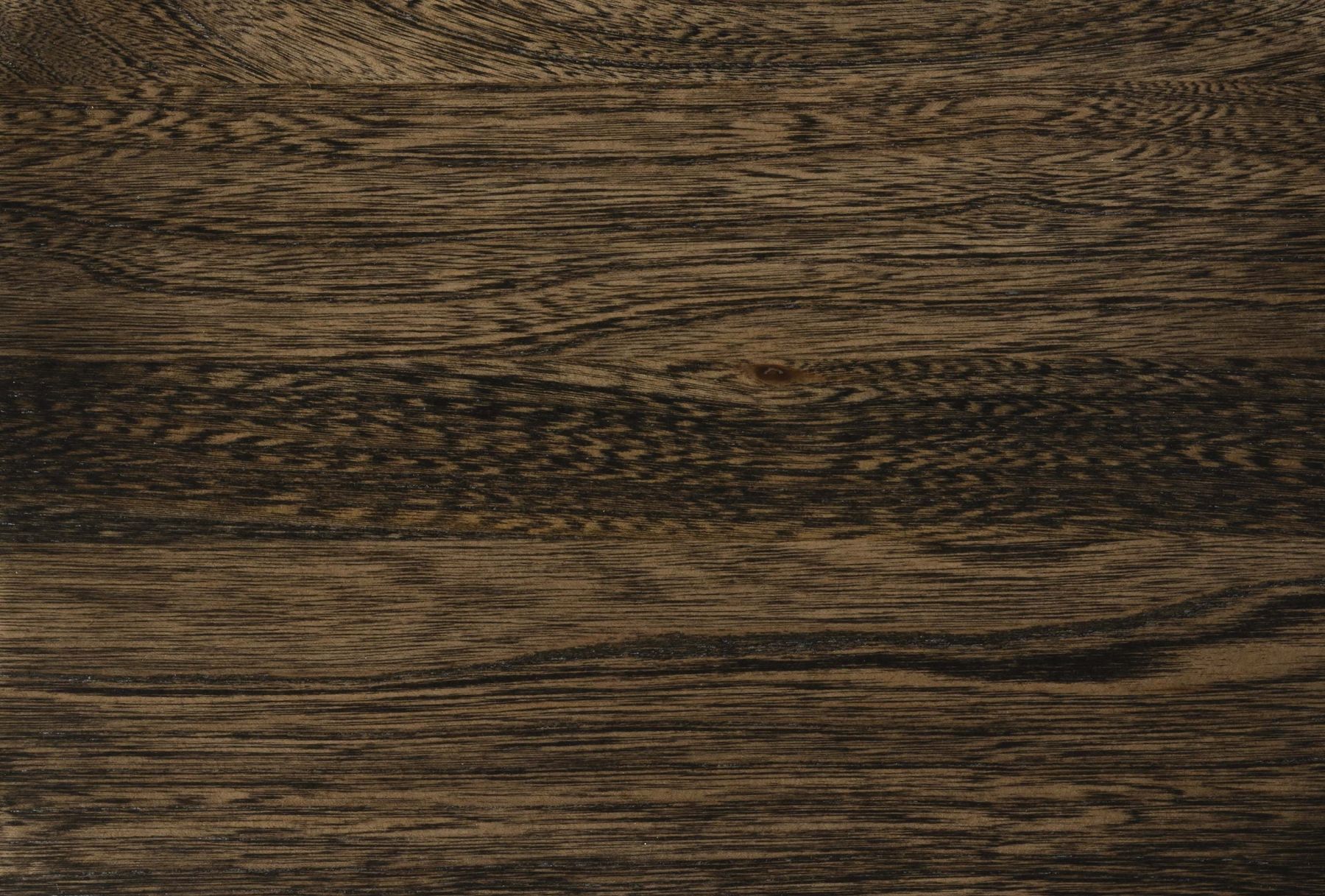
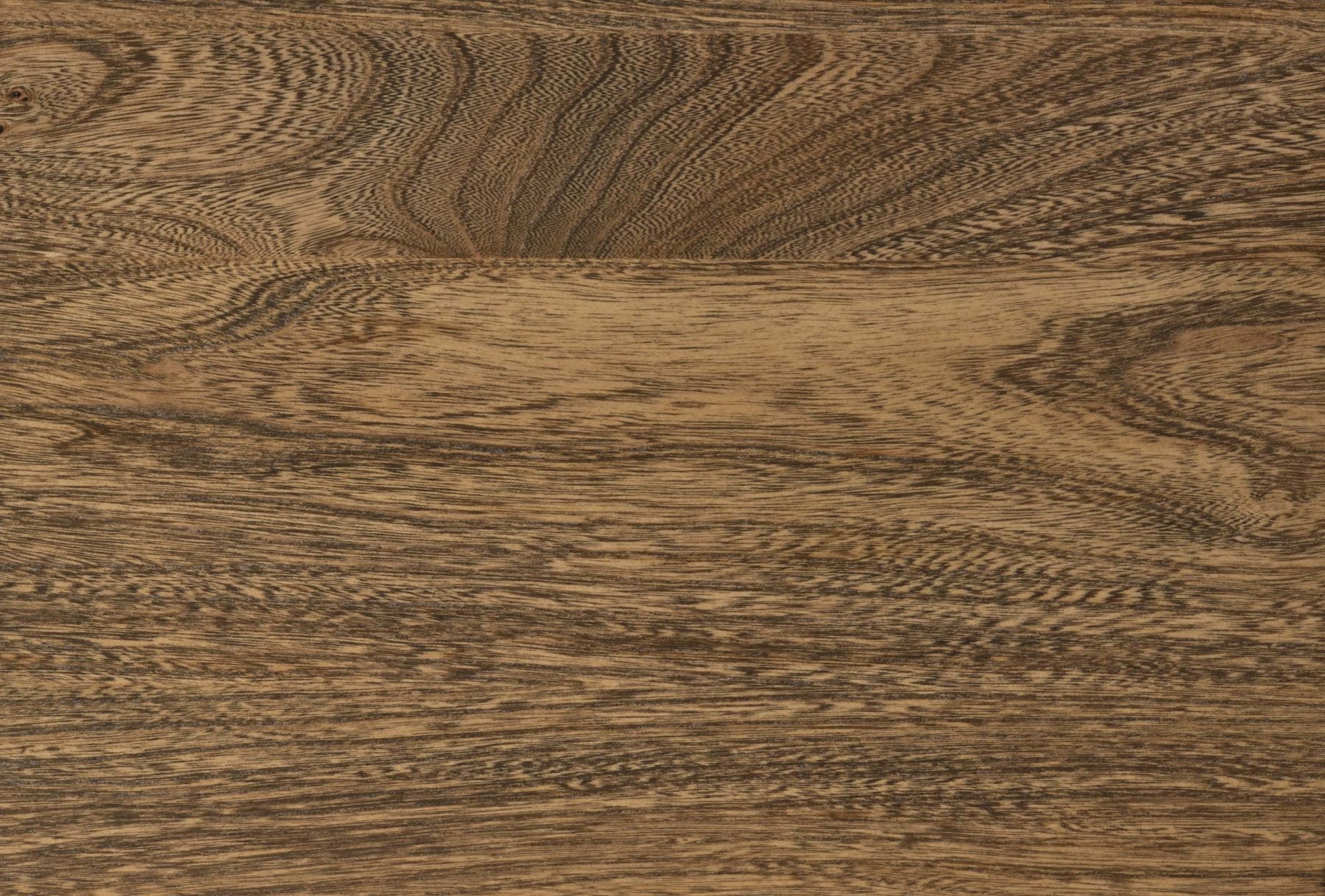
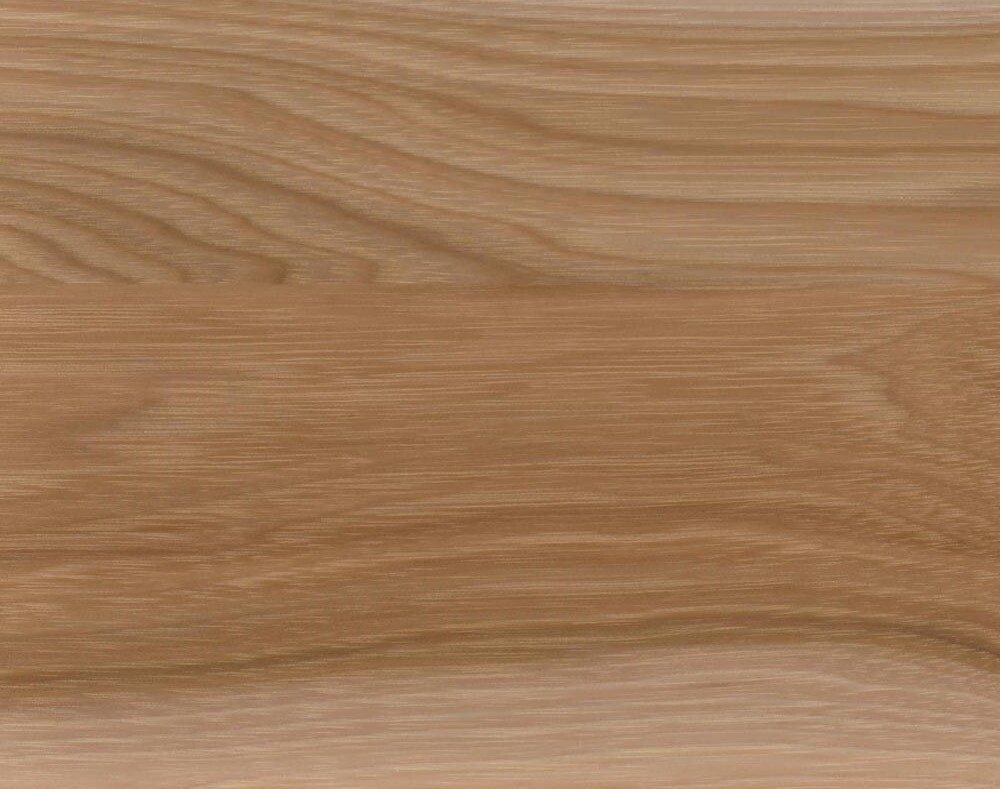
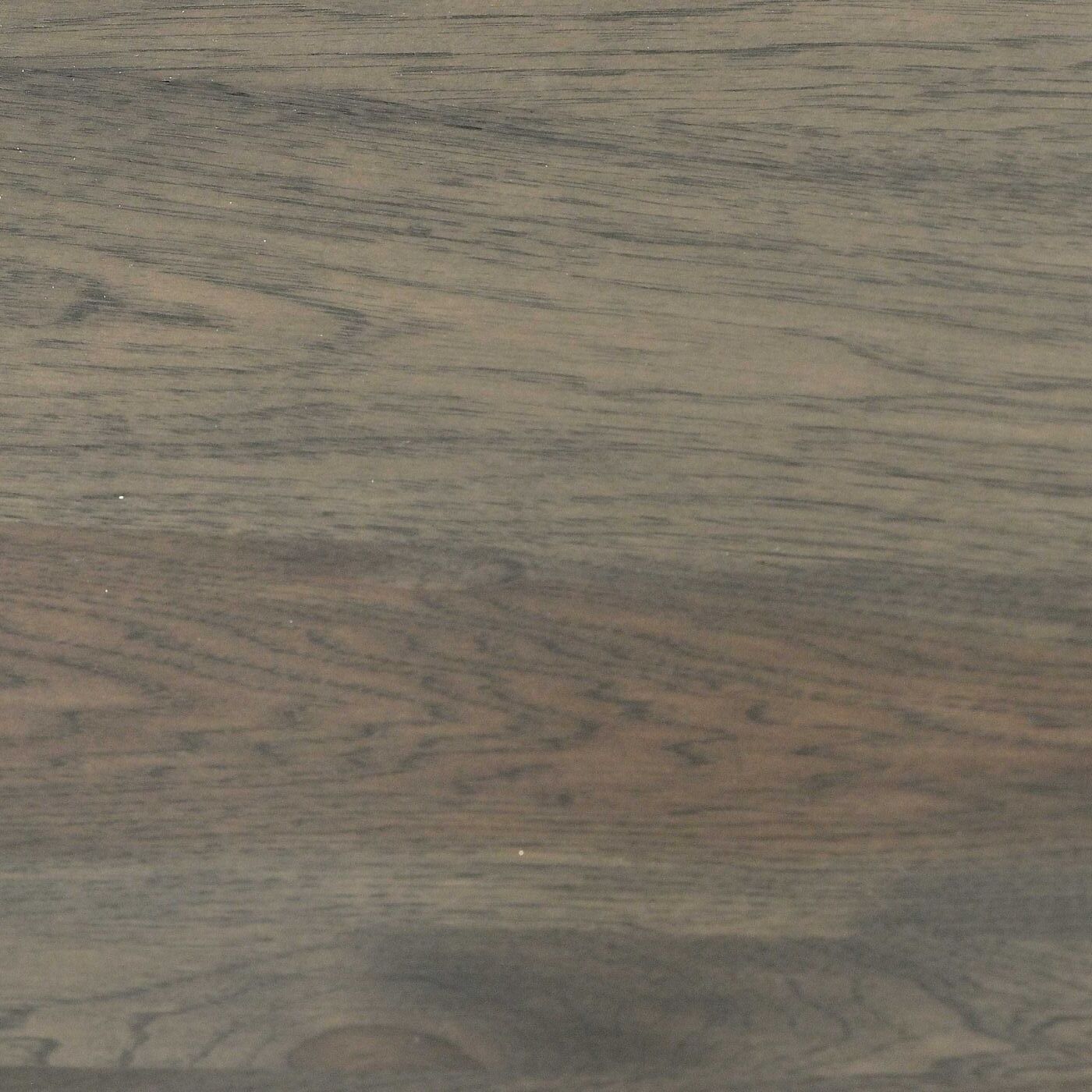
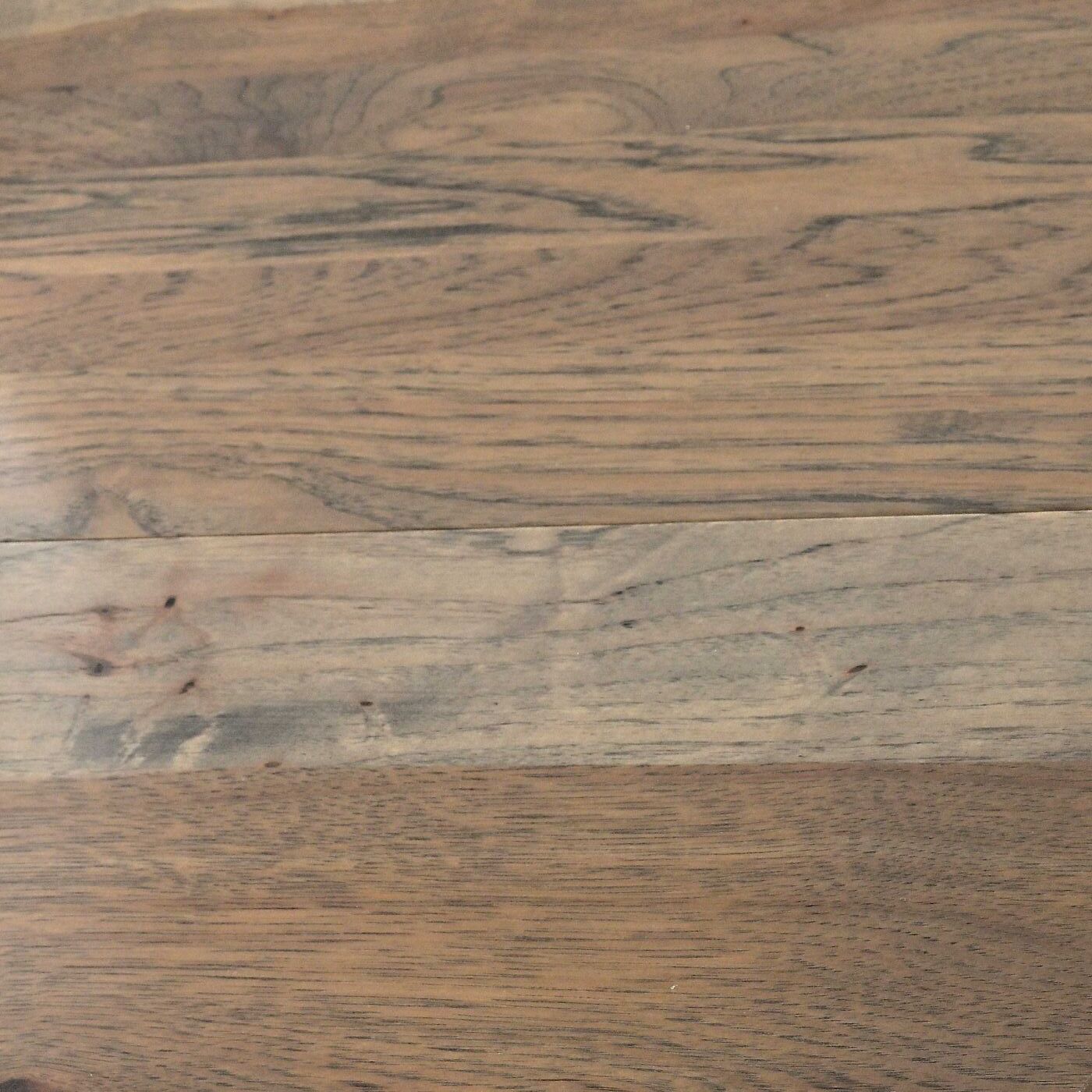
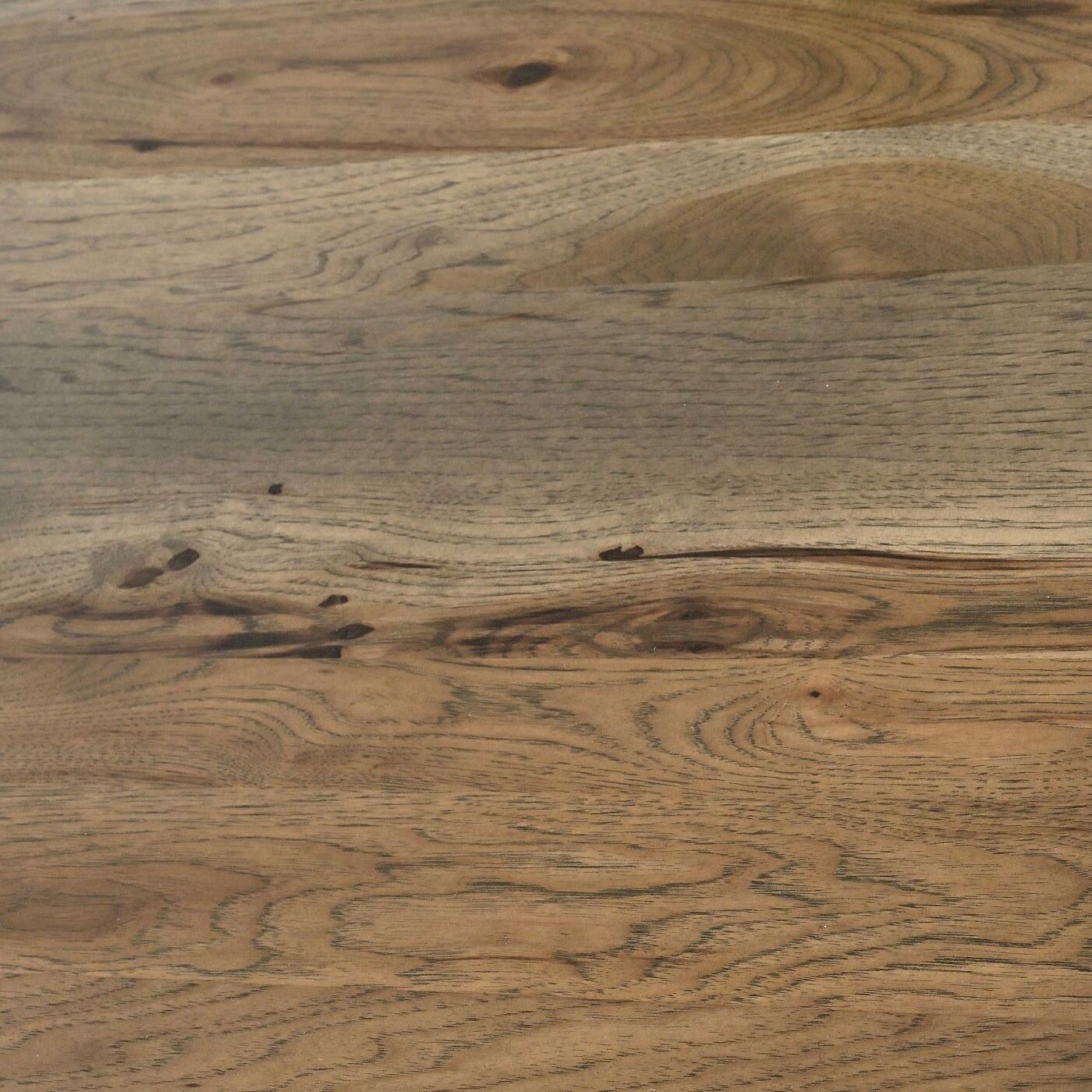
Color and Grain: Hickory wood typically features a pale to medium brown color with subtle variations in tone. One of its most notable characteristics is its pronounced grain pattern, which ranges from straight to wavy, adding visual interest and texture to the wood.
Strength and Hardness: Hickory is renowned for its incredible strength and hardness, ranking among the hardest and most durable domestic hardwoods available. This resilience makes it highly resistant to wear, denting, and impact, making it ideal for high-traffic areas and heavy-duty applications.
Shock Resistance: Hickory's exceptional shock resistance makes it a preferred choice for tool handles, sports equipment, and flooring in environments where durability is paramount. It can withstand heavy impacts without splintering or breaking, providing long-lasting performance.
Flexibility: Despite its hardness, hickory exhibits a degree of flexibility, allowing it to bend without snapping under pressure. This quality makes it suitable for applications such as furniture construction, where a balance of strength and flexibility is desirable.
Texture and Appearance: The texture of hickory wood is generally coarse and uneven, adding to its rustic charm. Its prominent grain pattern and occasional knots contribute to its distinctive appearance, making each piece of hickory unique.
Workability: While hickory is dense and challenging to work with hand and power tools, it can be successfully machined, sanded, and finished with the right techniques. Pre-drilling is often recommended for nails and screws to prevent splitting, and carbide-tipped blades are advisable for cutting.
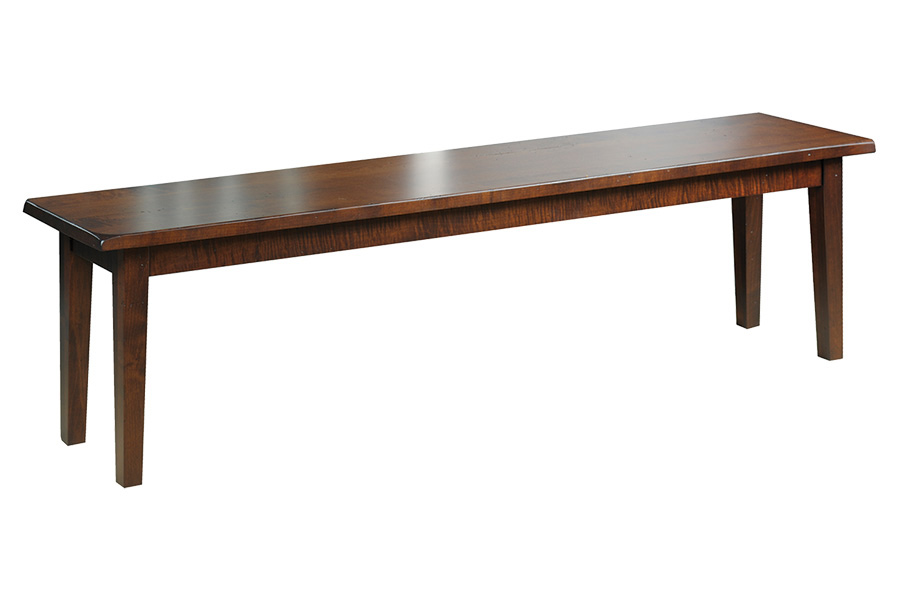
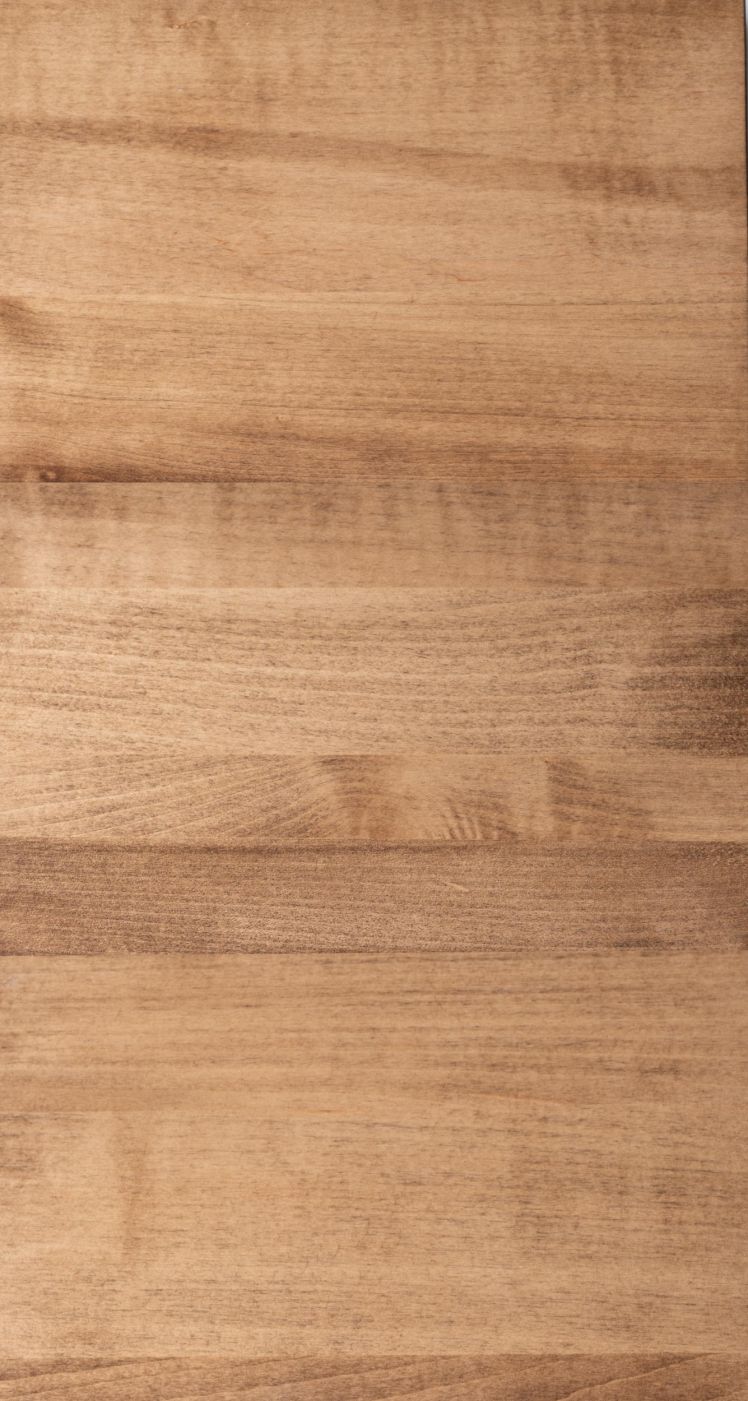
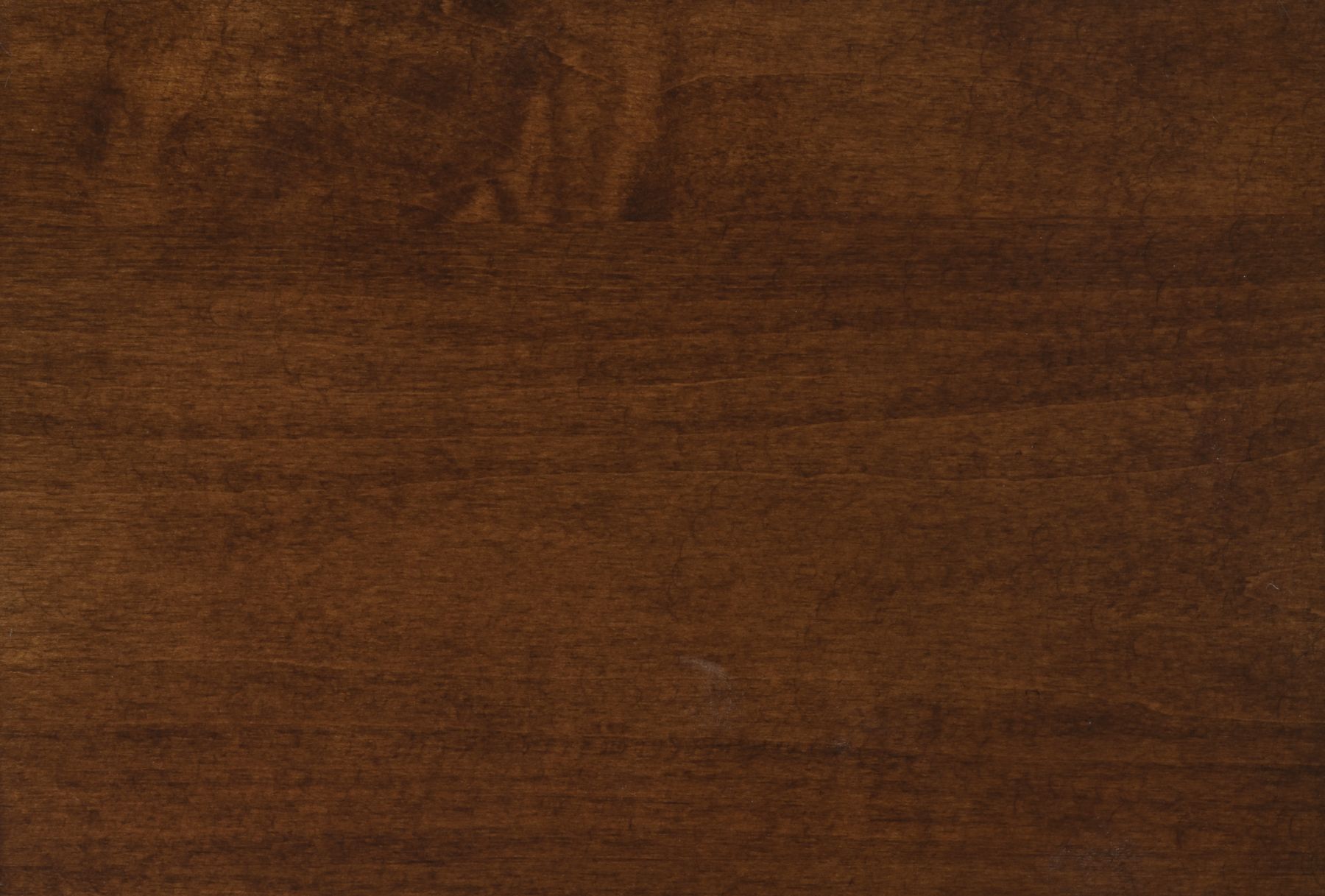
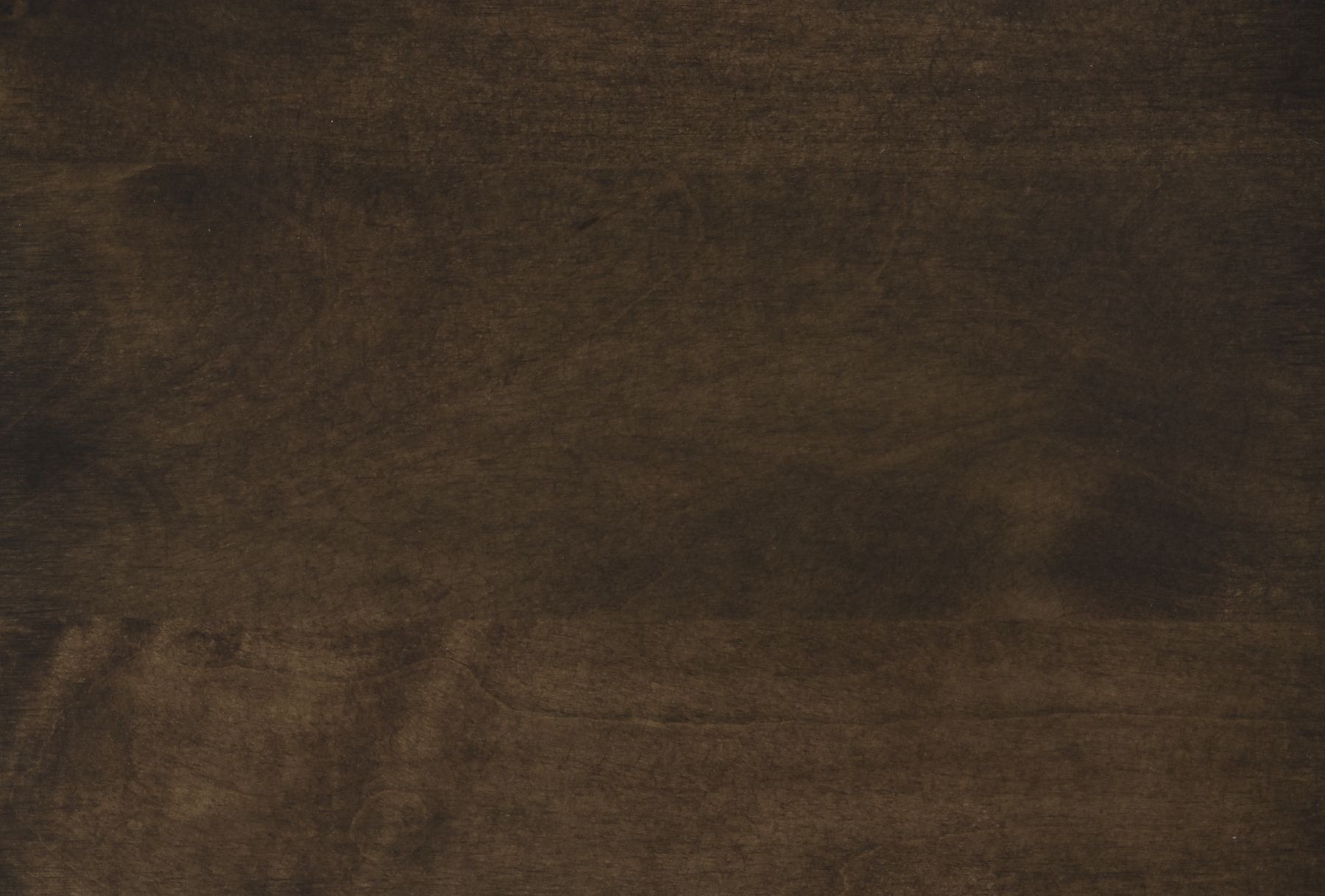
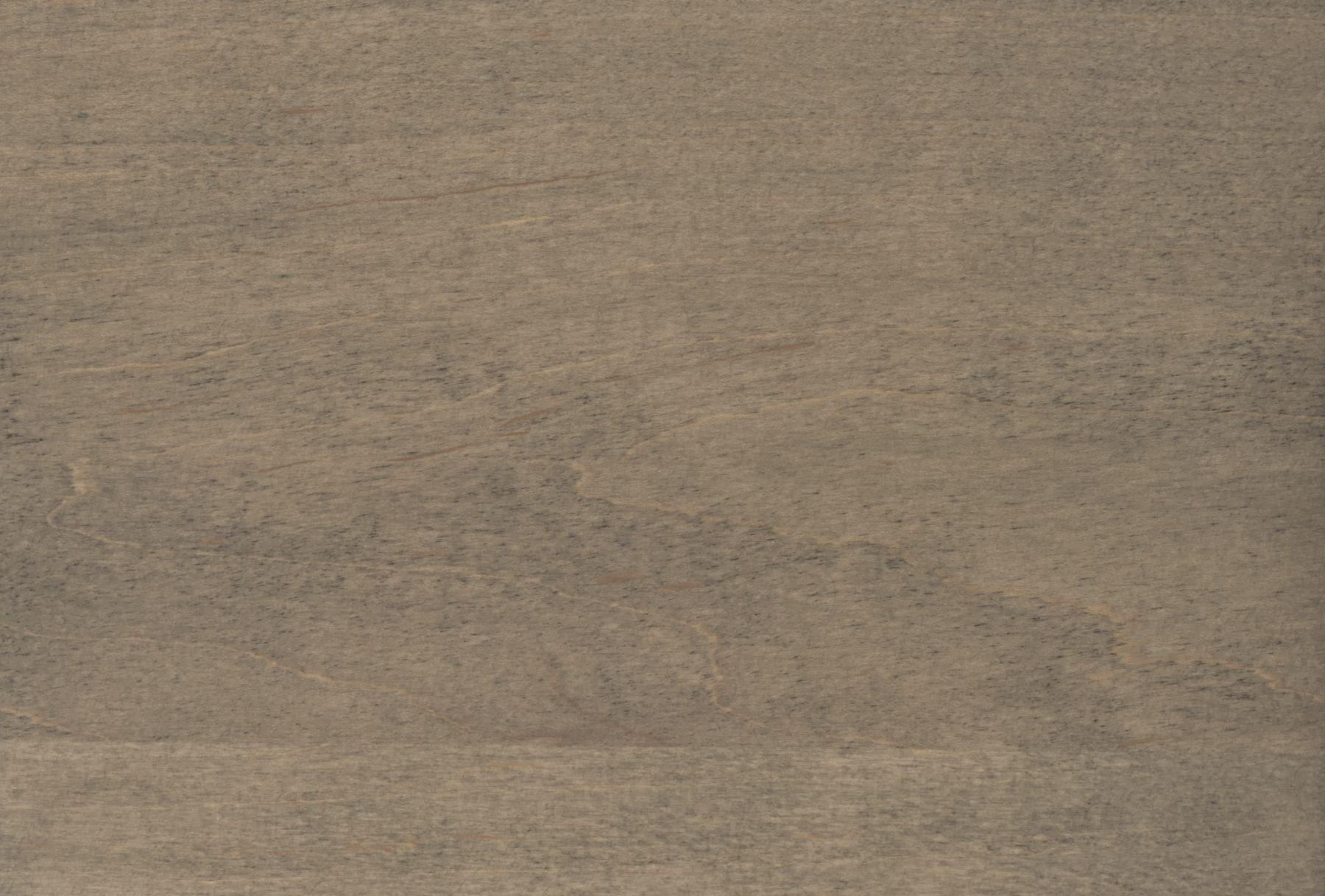
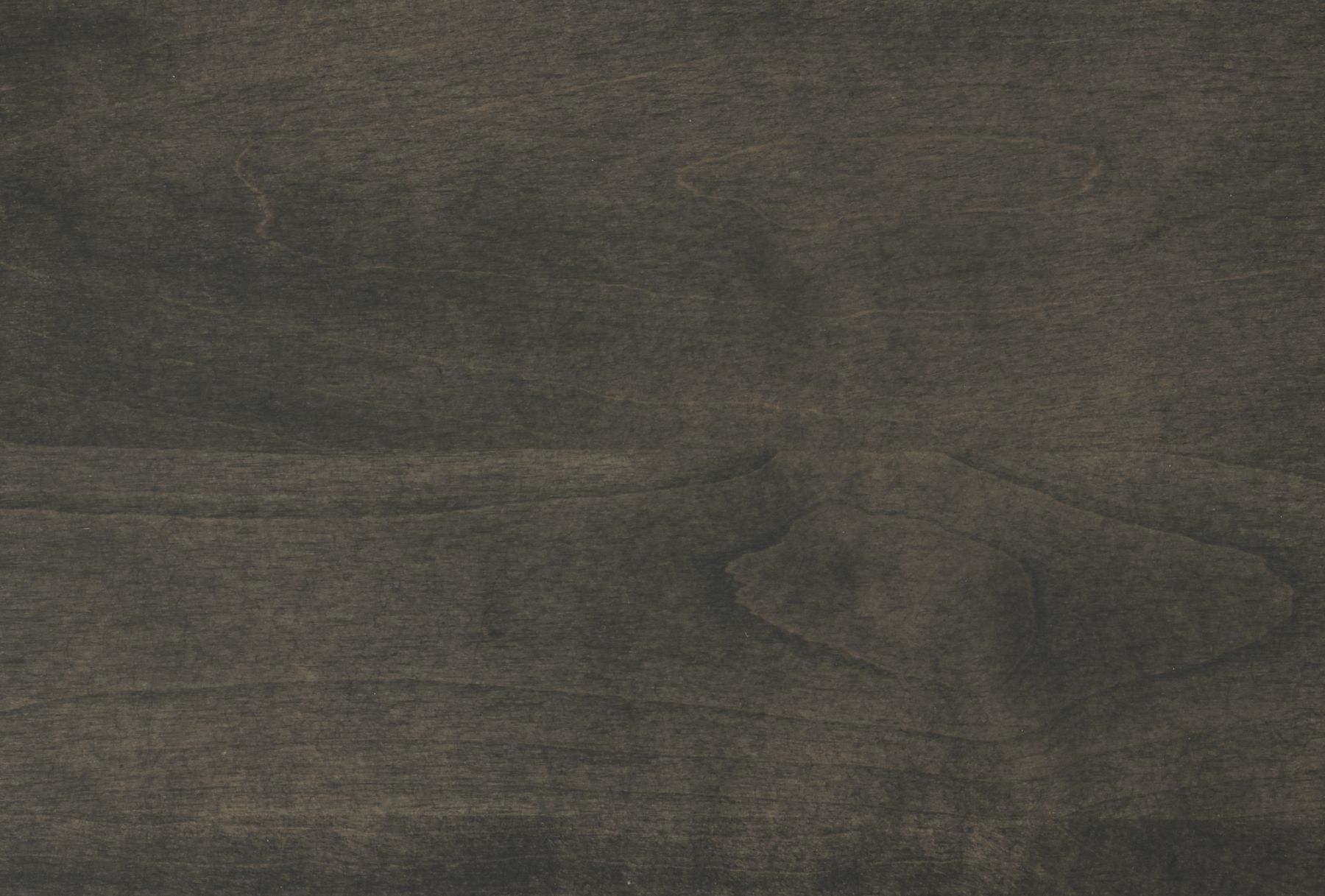
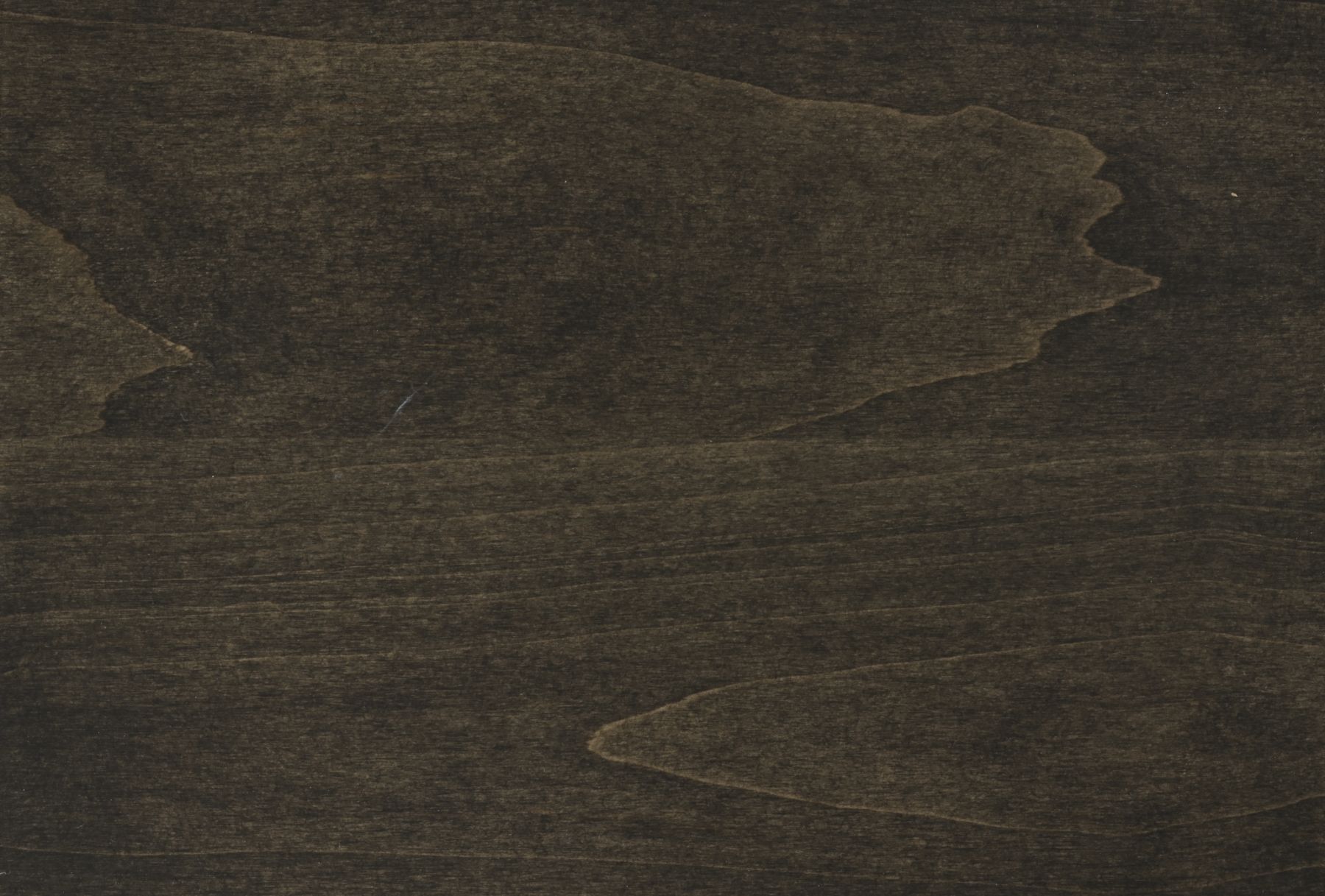
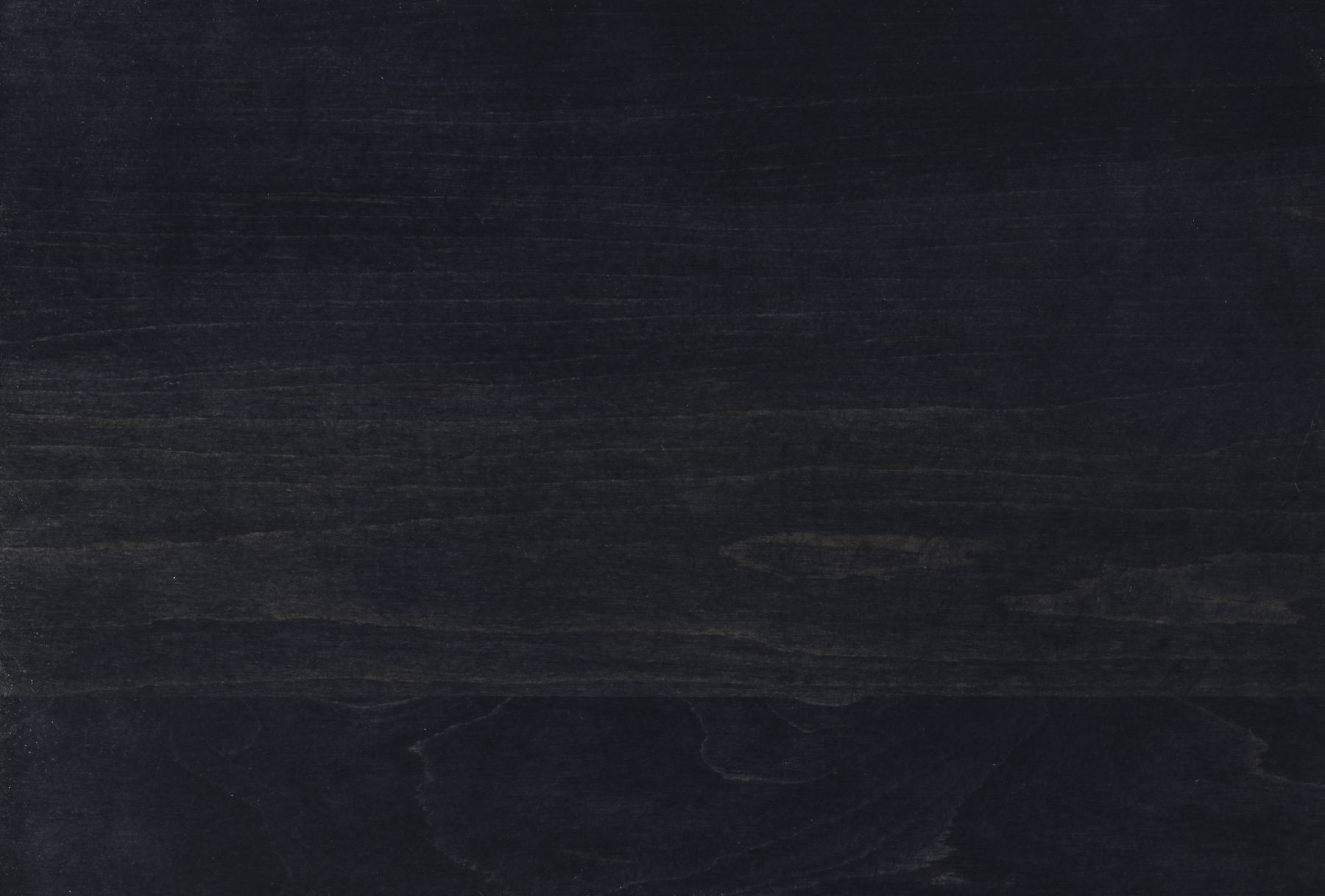
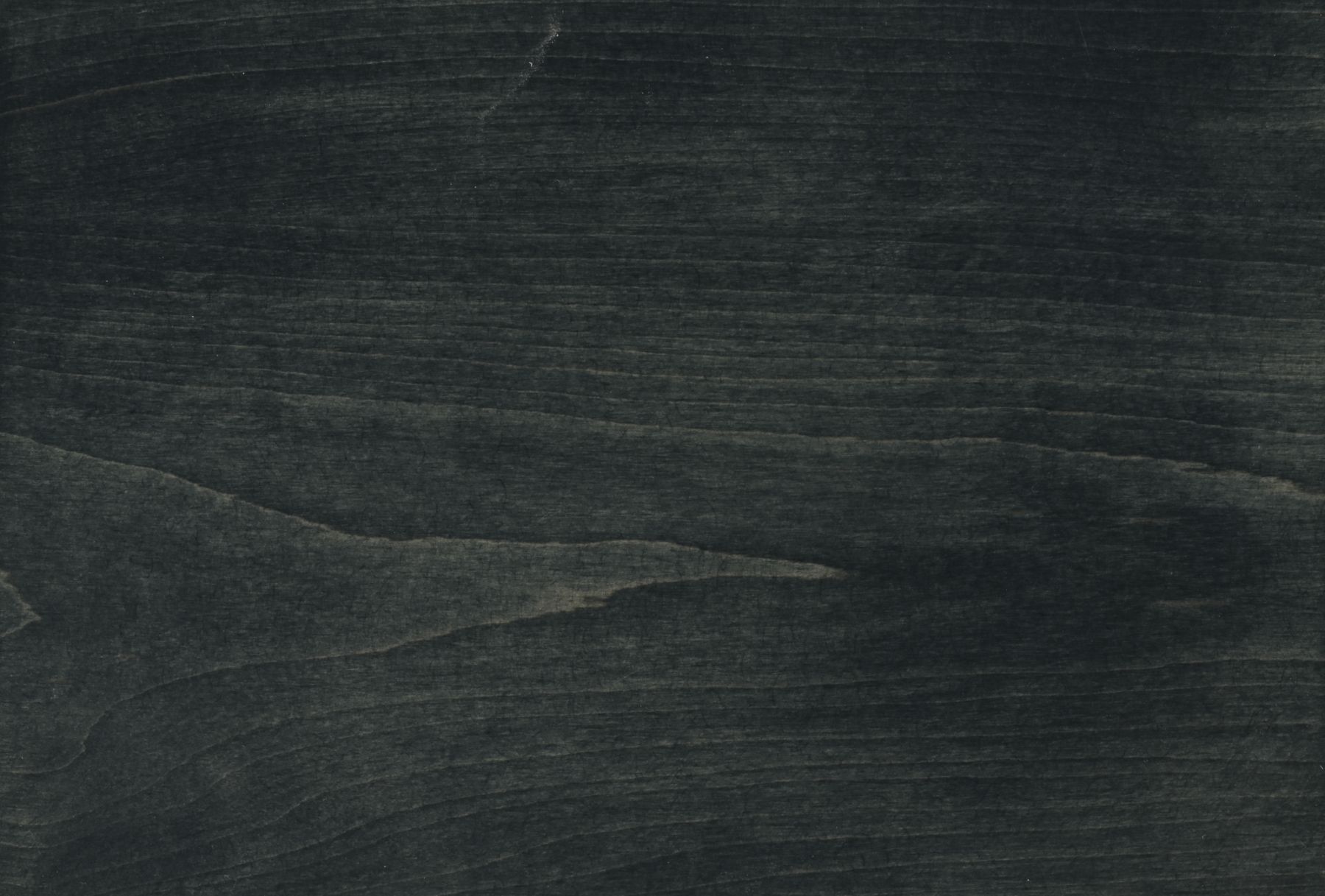
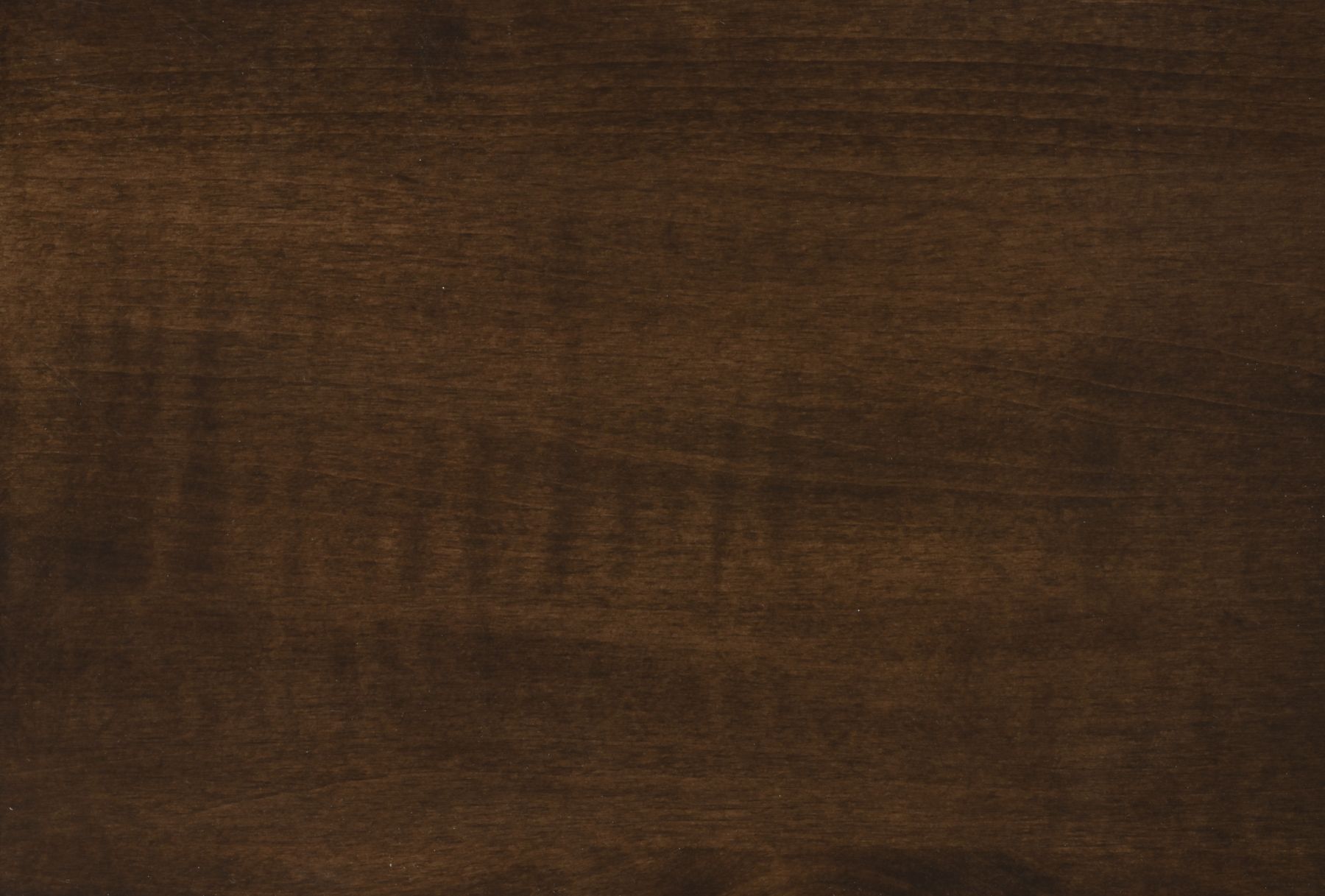
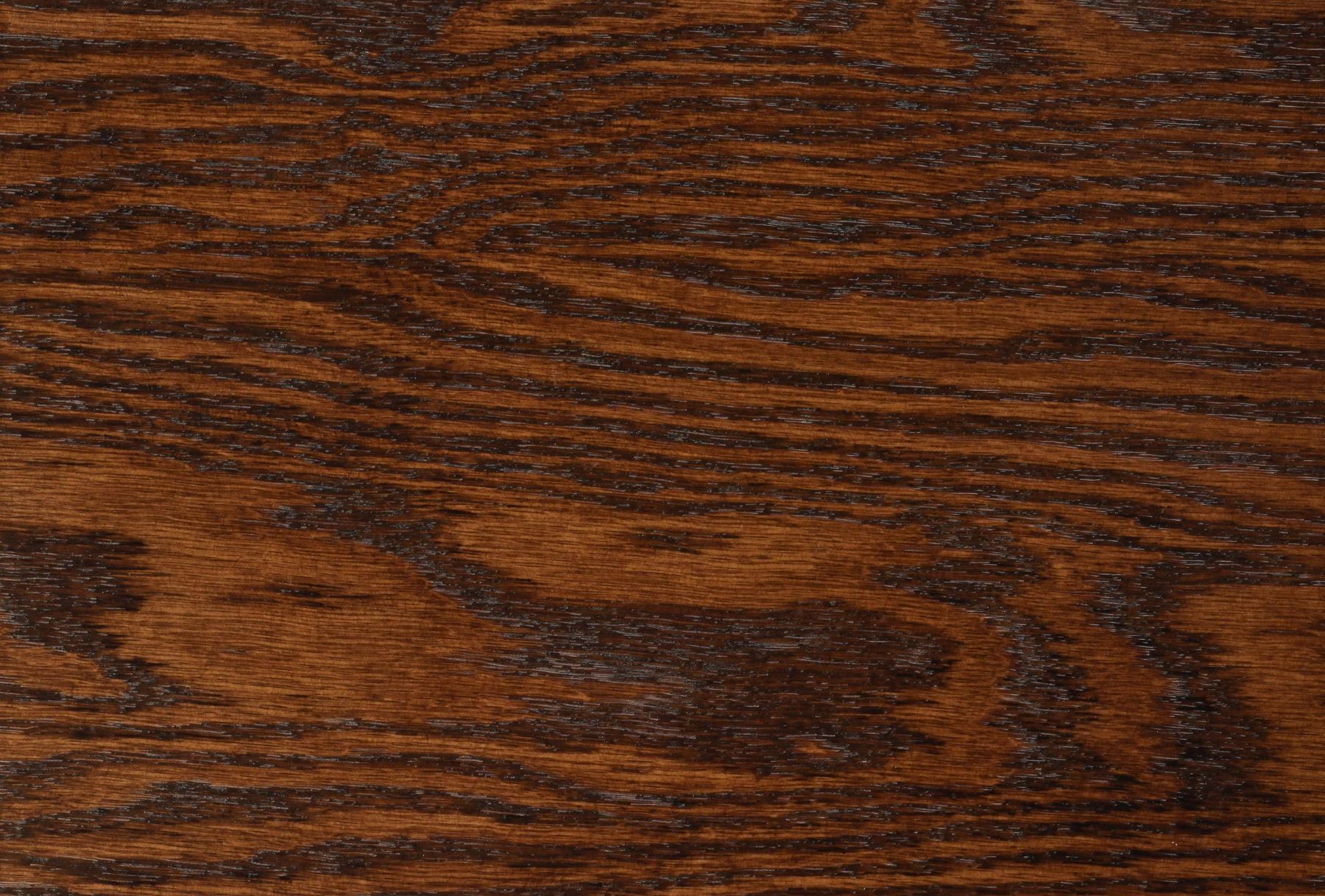
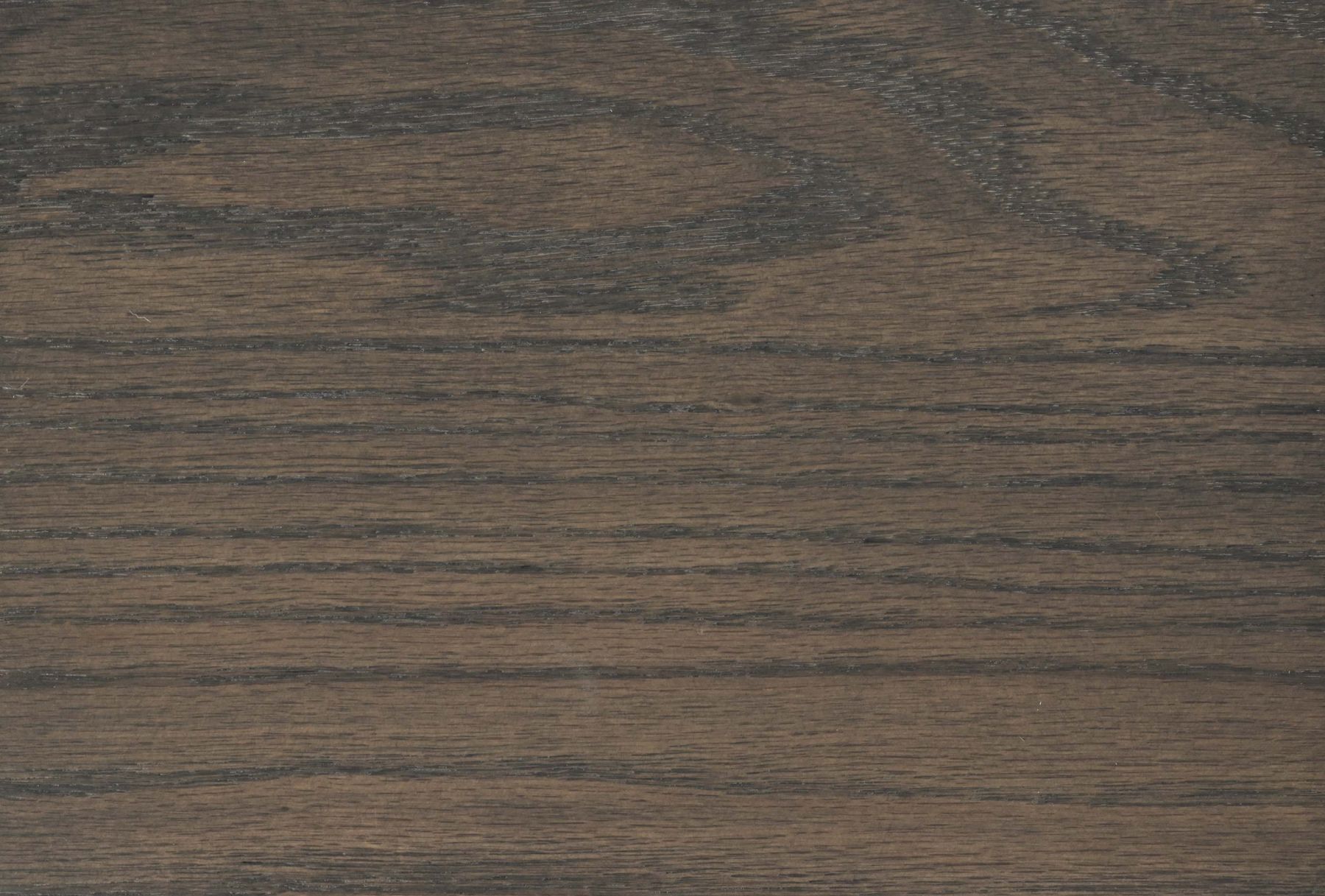
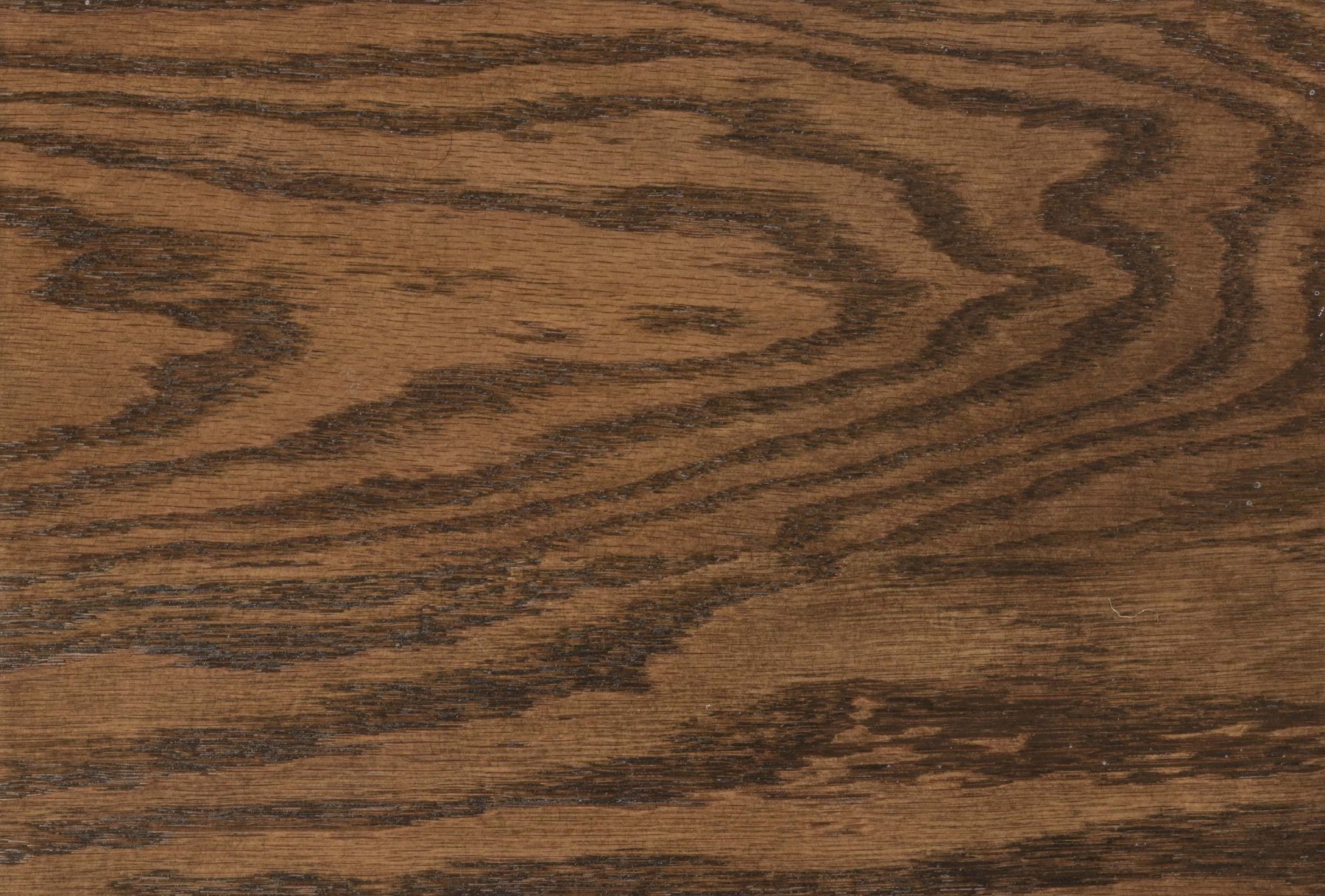
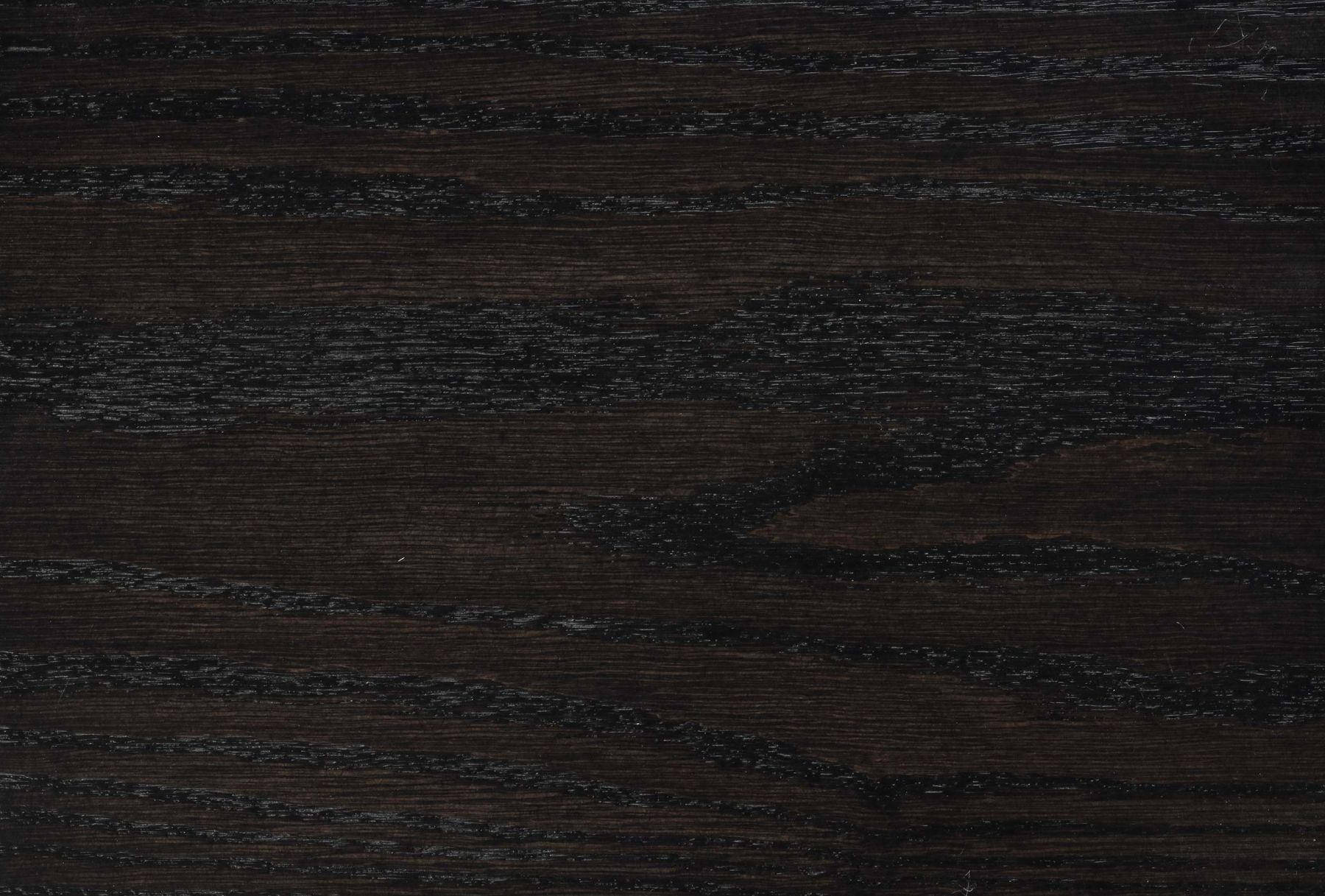
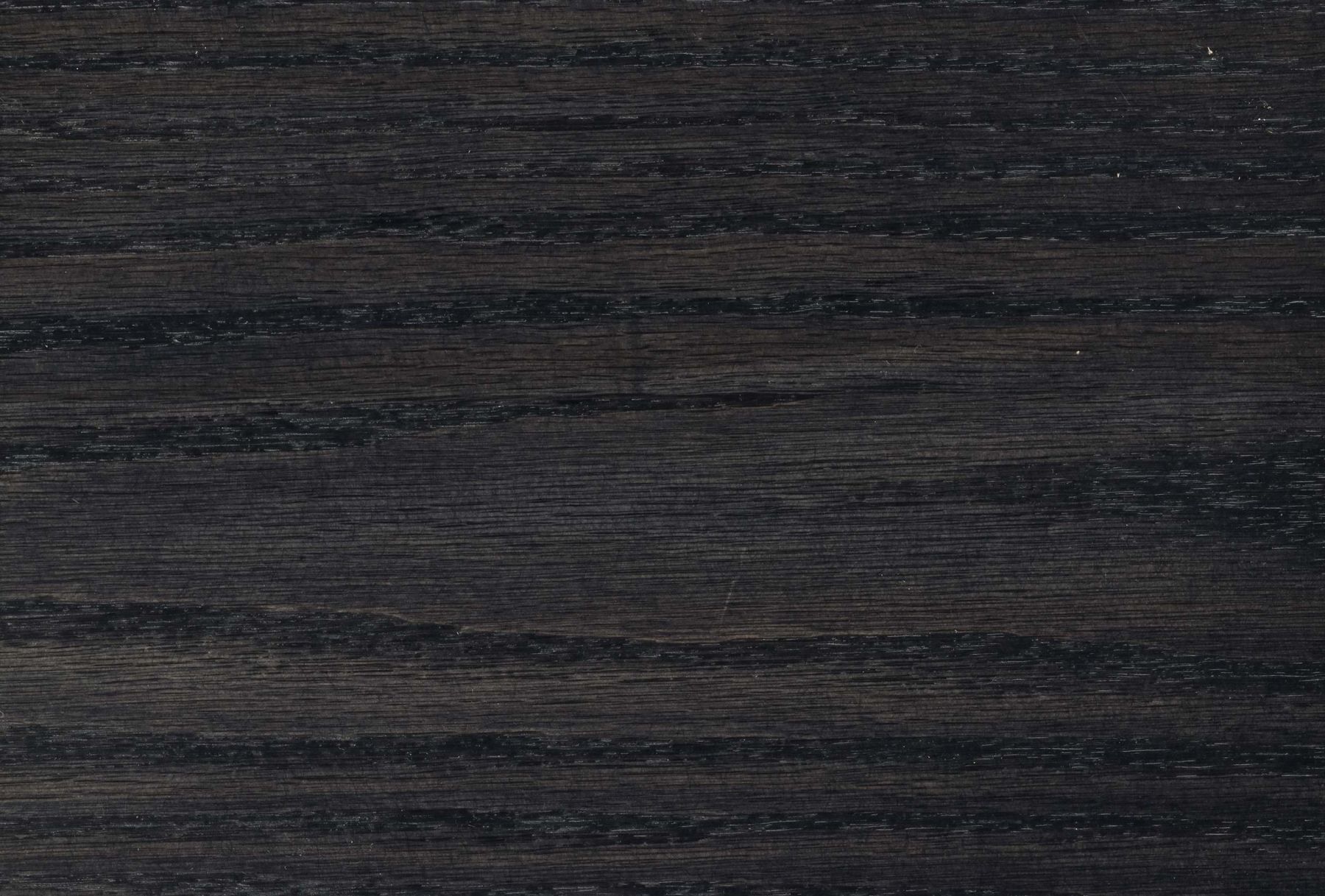
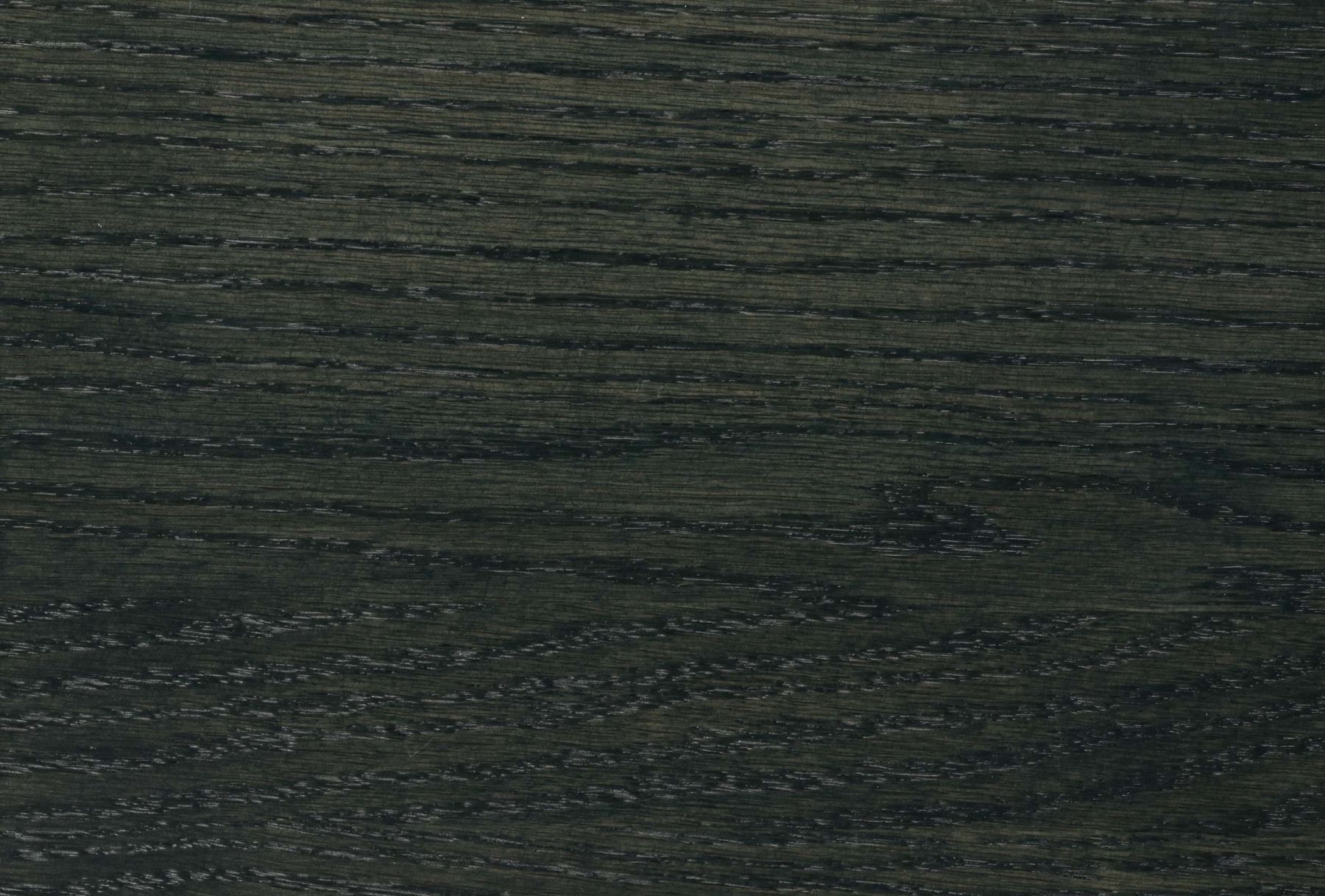
Finishing: Hickory responds well to a variety of finishes, including stains, oils, and varnishes. Its natural beauty can be enhanced with clear finishes that highlight its grain pattern, or stained to achieve a darker, richer color while still showcasing its distinctive features.
Usage: Hickory wood finds applications in a wide range of industries, including furniture making, cabinetry, flooring, tool handles, sporting goods, and architectural millwork. Its strength, durability, and aesthetic appeal make it a versatile choice for both functional and decorative purposes.
In summary, hickory wood is prized for its remarkable strength, durability, and distinctive appearance. Its rugged beauty, combined with its versatility and resilience, makes it a preferred material for various woodworking projects where quality and longevity are paramount.